On the evening of Sunday, September 7, 2025, spilling into Monday the 8th for Asia/Oceania, the Full Moon will slip into Earth’s shadow, producing a total lunar eclipse—the famous “blood moon.” This one is a good one: it’s the longest total lunar eclipse since 2022, with about 1 hour 22 minutes of totality, and it’s visible across vast swaths of Europe, Africa, Asia, and Australia.
How a total lunar eclipse works
A lunar eclipse happens when the Sun–Earth–Moon line up with Earth in the middle. Earth throws two shadows into space:
- Penumbra: the faint outer shadow. This stage is subtle; the Moon just looks a bit dimmed.
- Umbra: the dark, central shadow. When the Moon moves fully into the umbra, we get totality and the Moon turns a coppery red.

During totality, sunlight skims through Earth’s atmosphere. Blue light gets scattered – that’s why our sky looks blue in the day – while red/orange wavelengths bend into the umbra and onto the Moon’s surface—this creates the red “blood moon” hue.
Here’s a quick breakdown of the different phases in a total lunar eclipse:
- Penumbral eclipse begins (P1) – The Moon enters Earth’s penumbra (outer shadow). A faint shading appears on one side, often hard to notice with the naked eye.
- Partial eclipse begins (U1) – The Moon enters Earth’s umbra (dark inner shadow). A distinct “bite” seems to be taken out of the Moon.
- Total eclipse begins (U2) – The Moon is fully inside the umbra, and turns a coppery red or orange due to sunlight filtering through Earth’s atmosphere.
- Maximum eclipse – The middle of totality; the Moon is deepest in Earth’s shadow.
- Total eclipse ends (U3) – The Moon starts to leave the umbra, and bright sunlight returns to one edge.
- Partial eclipse ends (U4) – The Moon is completely out of the umbra, only penumbral shading remains.
- Penumbral eclipse ends (P4) – The Moon leaves the penumbra; brightness returns to normal.

Who can see it?
The lunar eclipse is visible across Europe, Africa, Asia, and Australia; many locations across western Europe and West Africa will see the Moon rise already in eclipse. Click your location on this map to see when different phases of the eclipse will happen at your location.
Local Eclipse Times (based on your device or selected time zone)
You can also click on this button below to calculate the local times for the different eclipse phases – the calculator uses your devices or computers location and time zone when clicking on the button below. If your device is set to a different region (for example, using a VPN or manual time-zone override), the results may not match your observing location. You can also pick a time zone below.
| Phase | Local date & time | Visibility |
|---|---|---|
| U1 – Partial begins | — | — |
| U2 – Totality begins | — | — |
| Greatest (mid-eclipse) | — | — |
| U3 – Totality ends | — | — |
| U4 – Partial ends | — | — |
Overview of major cities worldwide, showing which parts of the lunar eclipse will be visible from each location.
Legend: ▲ = above horizon (visible) | ▼ = below horizon (not visible). Times are local. “(Sep 8)” marks post-midnight.
| Region | City | TZ | U1 – Partial starts | U2 – Total starts | U3 – Total ends | U4 – Partial ends |
|---|---|---|---|---|---|---|
| Ireland & UK | Dublin | IST (UTC+1) | 17:27 ▼ | 18:30 ▼ | 19:52 ▼ | 20:56 ▲ |
| Ireland & UK | London | BST (UTC+1) | 17:27 ▼ | 18:30 ▼ | 19:52 ▲ | 20:56 ▲ |
| Western Europe | Amsterdam | CEST (UTC+2) | 18:27 ▼ | 19:30 ▼ | 20:52 ▲ | 21:56 ▲ |
| Western Europe | Paris | CEST (UTC+2) | 18:27 ▼ | 19:30 ▼ | 20:52 ▲ | 21:56 ▲ |
| Western Europe | Madrid | CEST (UTC+2) | 18:27 ▼ | 19:30 ▼ | 20:52 ▲ | 21:56 ▲ |
| Western Europe | Lisbon | WEST (UTC+1) | 17:27 ▼ | 18:30 ▼ | 19:52 ▼ | 20:56 ▲ |
| Africa | Lagos | WAT (UTC+1) | 17:27 ▼ | 18:30 ▼ | 19:52 ▲ | 20:56 ▲ |
| Africa | Nairobi | EAT (UTC+3) | 19:27 ▲ | 20:30 ▲ | 21:52 ▲ | 22:56 ▲ |
| Africa | Cape Town | SAST (UTC+2) | 18:27 ▲ | 19:30 ▲ | 20:52 ▲ | 21:56 ▲ |
| Middle East | Riyadh | AST (UTC+3) | 19:27 ▲ | 20:30 ▲ | 21:52 ▲ | 22:56 ▲ |
| Middle East | Dubai | GST (UTC+4) | 20:27 ▲ | 21:30 ▲ | 22:52 ▲ | 23:56 ▲ |
| Asia | Mumbai | IST (UTC+5:30) | 21:57 ▲ | 23:00 ▲ | 00:22 (Sep 8) ▲ | 01:26 (Sep 8) ▲ |
| Asia | New Delhi | IST (UTC+5:30) | 21:57 ▲ | 23:00 ▲ | 00:22 (Sep 8) ▲ | 01:26 (Sep 8) ▲ |
| Asia | Beijing | CST (UTC+8) | 00:27 (Sep 8) ▲ | 01:30 ▲ | 02:52 ▲ | 03:56 ▲ |
| Australia | Sydney | AEST (UTC+10) | 02:27 (Sep 8) ▲ | 03:30 ▲ | 04:52 ▲ | 05:56 ▲ |
| New Zealand | Auckland | NZST (UTC+12) | 04:27 (Sep 8) ▲ | 05:30 ▲ | 06:52 ▲ | 07:56 ▲ |
Why there isn’t a lunar eclipse every month
- The Moon’s orbit is tilted about 5° relative to Earth’s orbital plane (the ecliptic). So at most full moons, the Moon passes a little above or below Earth’s shadow and no eclipse occurs.
- A lunar eclipse only happens when a full Moon occurs near one of the two points where the Moon’s tilted orbit crosses the ecliptic, called the nodes. If the alignment is a bit off, you might get only a penumbral or partial eclipse—or none at all.
- The Sun lines up with a node roughly every six months, creating “eclipse seasons” that last about 34–37 days. Only during these windows can lunar (and solar) eclipses happen.

How to watch the eclipse
Lunar eclipses are safe to view with the naked eye—no filters or glasses required. To get the most out of it:
- Scout your horizon. For Europe especially, the Moon rises already eclipsed. A hilltop, beach, or flat field with a clear eastern view makes all the difference.
- Arrive early. Twilight + a darkened Moon is a tricky combo; being in position 20–30 minutes before your visible window helps your eyes adapt.
- Bring binoculars. You don’t need them—but 7×50s will deepen the copper tones and reveal the gradient across the Moon’s face (caused by the varying depth of Earth’s umbra).
- Check the weather. Cloud stats on the city pages are a helpful sanity check; local forecasts rule the night.
Mind the direction. The Moon will rise in the east and set in the west, so plan your spot accordingly. In Europe and western Africa, look low in the eastern sky as twilight fades. In Asia and Australia, the eclipse will be higher in the sky, making it easier to spot.
Why 7×50 Binoculars Are Perfect for the Moon
In my opinion, 7×50 binoculars are the best option for the moon, because:
- Steady and detailed: 7× magnification reveals lunar craters and maria without the shake of higher-power binoculars.
- Bright and clear: 50 mm lenses provide a sharp, luminous image without adding bulk.
- Immersive view: A wide field shows the Moon along with surrounding stars, creating a natural, space-like feel.
- Perfect balance: Small binoculars lack detail, large ones are heavy—7×50 offers the ideal middle ground.
Here are two high quality binoculars I’d recommend:
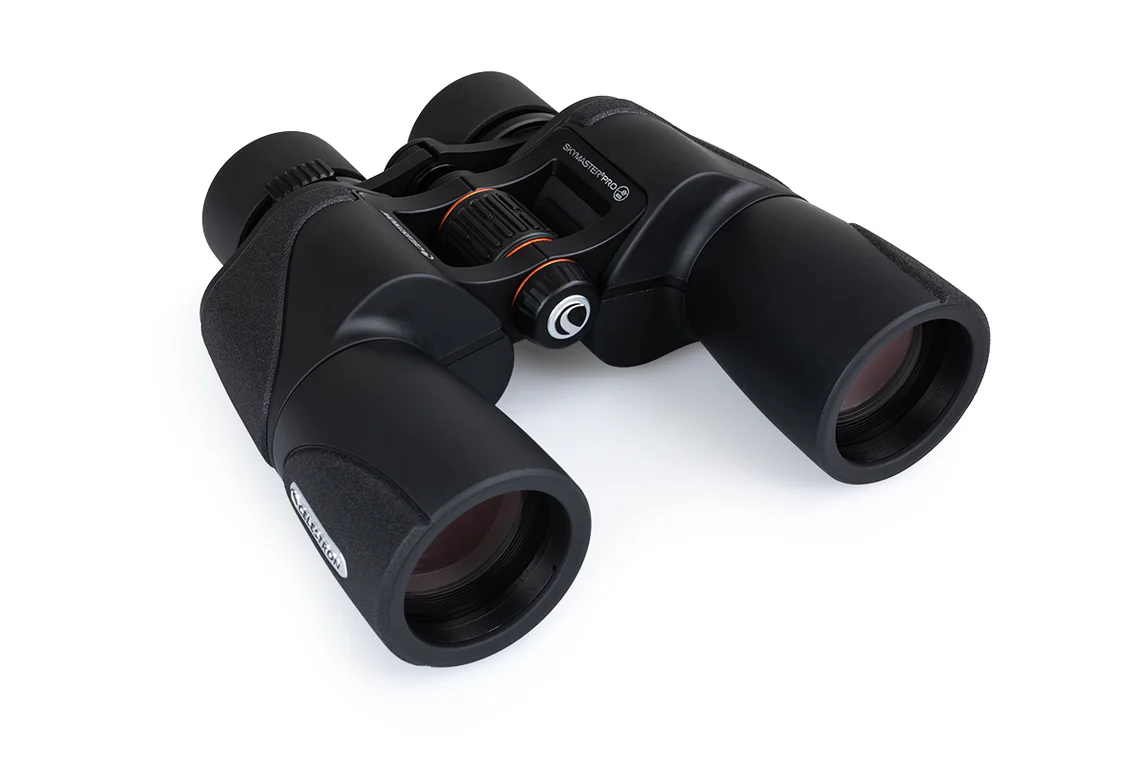
Celestron SkyMaster Pro ED 7×50
- ED glass + XLT coatings = bright, crisp eclipse views.
- Porro “3D” image; easy to hand-hold.
- IPX7, nitrogen-purged, tripod-adaptable.
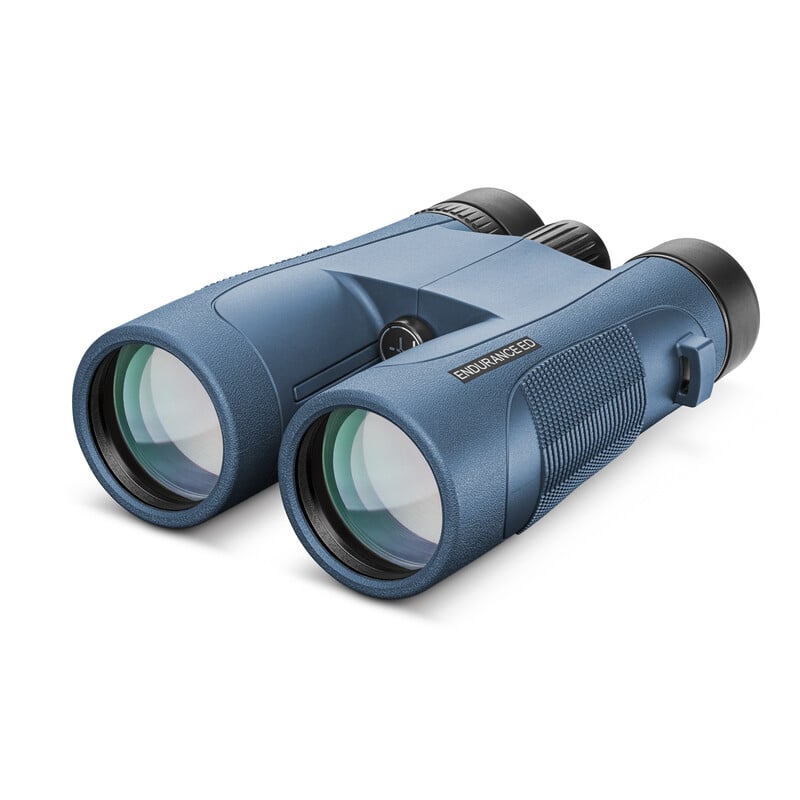
Hawke Endurance ED Marine 7×50
- Marine-grade sealing; fog- & waterproof.
- ED glass; high contrast in tough conditions.
- Secure grip; ideal for coastal or dewy nights.
Through a telescope
Although you can use any telescope to gaze at the Moon, here are my 2 favorites:
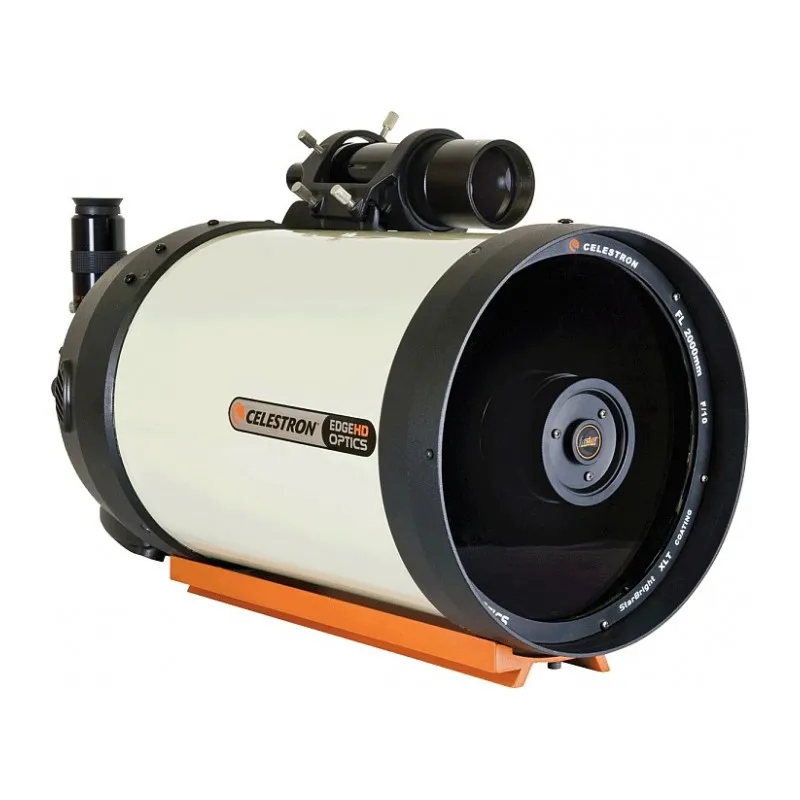
Celestron EdgeHD 8″ (OTA)
- Flat, coma-free field preserves sharp craters to the edge.
- Long 2032 mm focal length = high lunar resolution.
- Fast cooldown vents; great with DSLR or planetary cams.
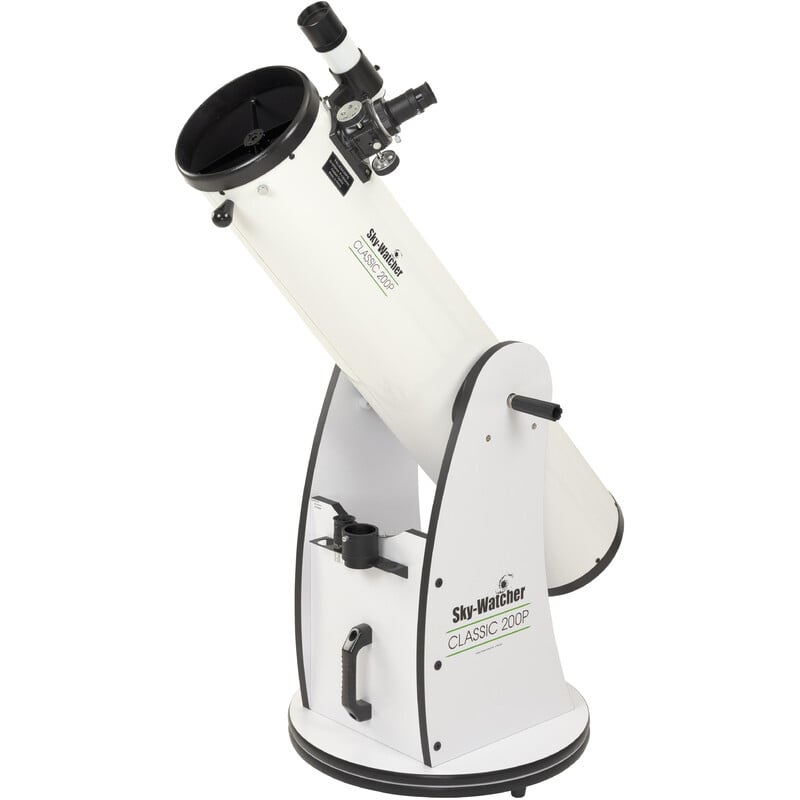
Sky-Watcher 8″ Classic Dobsonian (200P)
- Big 200 mm aperture = crisp, high-contrast lunar detail.
- Simple, stable manual mount—perfect for video/stacking.
- Great upgrade path (Barlow, better eyepieces, phone mount).
For a more detailed overview of great Lunar and Planetary telescopes, read this blog.
Quick guide: photographing the “blood moon”
Whether you’re using a phone, a telephoto lens, or a telescope, you can bring home a satisfying shot. Here are some tips:
📱Using a Phone
- Keep it steady: Mount your phone on a tripod or rest it securely. Turn on a 2–3 second self-timer to prevent shake when pressing the button.
- During partial phases: Use Night Mode if available. Tap on the Moon to focus, then slide exposure down to avoid a bright white blob.
- During totality (the red Moon): Switch to Pro/Manual mode if your phone has it. Start with:
- ISO 400–800
- Shutter 1/4 to 1 second
Adjust until you get a balanced, non-blurry shot.
📷 DSLR or Mirrorless with a Telephoto Lens (400–600 mm)
- Totality (red Moon): The Moon is dim, so use:
- ISO 800–1600
- Shutter 1/2–1 second
- Aperture f/4–f/6.3
Take multiple shots with exposure bracketing (±2–3 stops) to capture details in both shadows and highlights.
- Partial phases (bright crescent): The Moon is much brighter, so use shorter exposures:
- ISO 100–400
- Shutter 1/250–1/1000 second
This prevents blown-out highlights and keeps details sharp.
- File format: Shoot in RAW and bracket exposures. This gives you more editing flexibility later.
- Tracking: At 400–600 mm, exposures up to ~1 second are usually fine without a star tracker. For longer exposures or longer focal lengths, a tracker helps keep the Moon sharp.
Smart Telescopes…
Capturing the magic of a blood moon doesn’t have to be complicated. With a smart telescope, you can skip the tricky setup and let the tech handle the hard work—alignment, tracking, and even taking images is all done automatically. All that’s left is for you to enjoy real-time views and take stunning photos and videos of the lunar eclipse wirelessly on your smart device. Here are three of the best affordable smart telescopes to get you started.
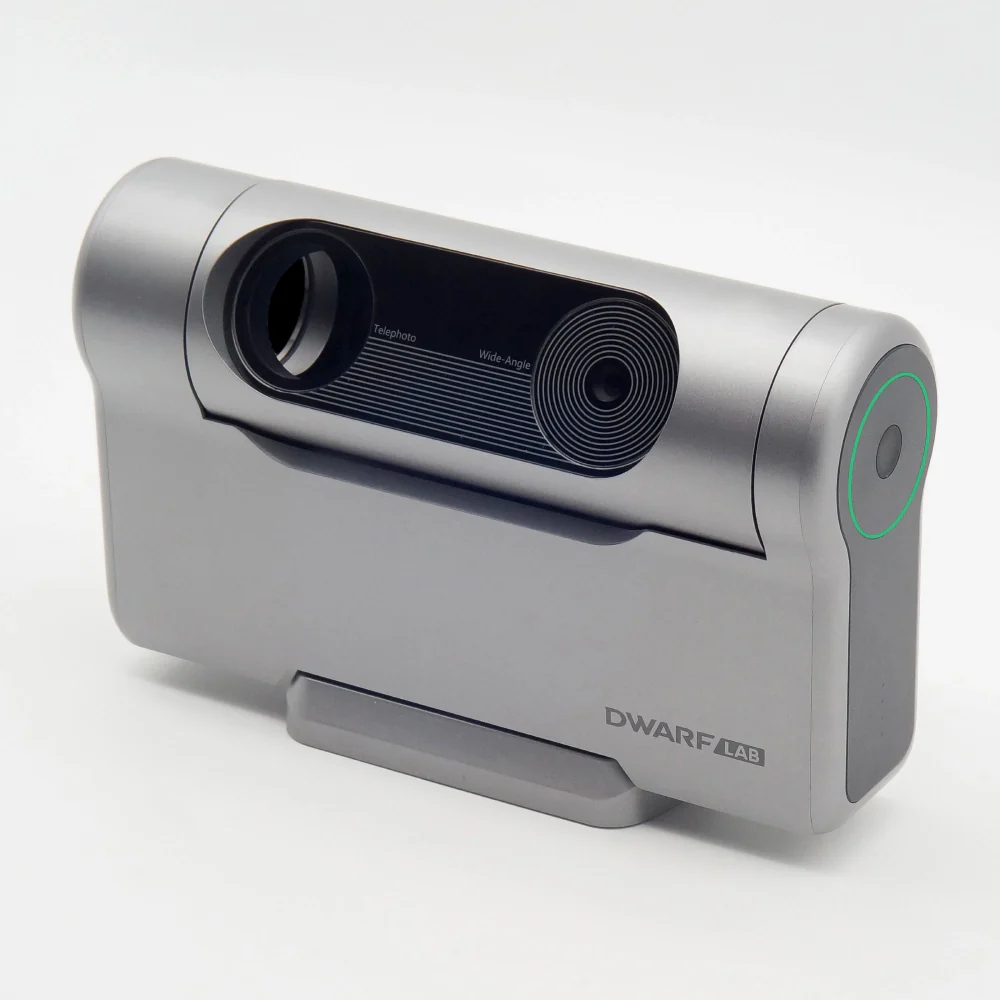
Dwarf 3 Smart Telescope
- Ultra-compact dual-lens design for wide & tele views.
- Great for deep-sky, lunar, and wildlife photography.
- App-controlled, lightweight, perfect for travel.
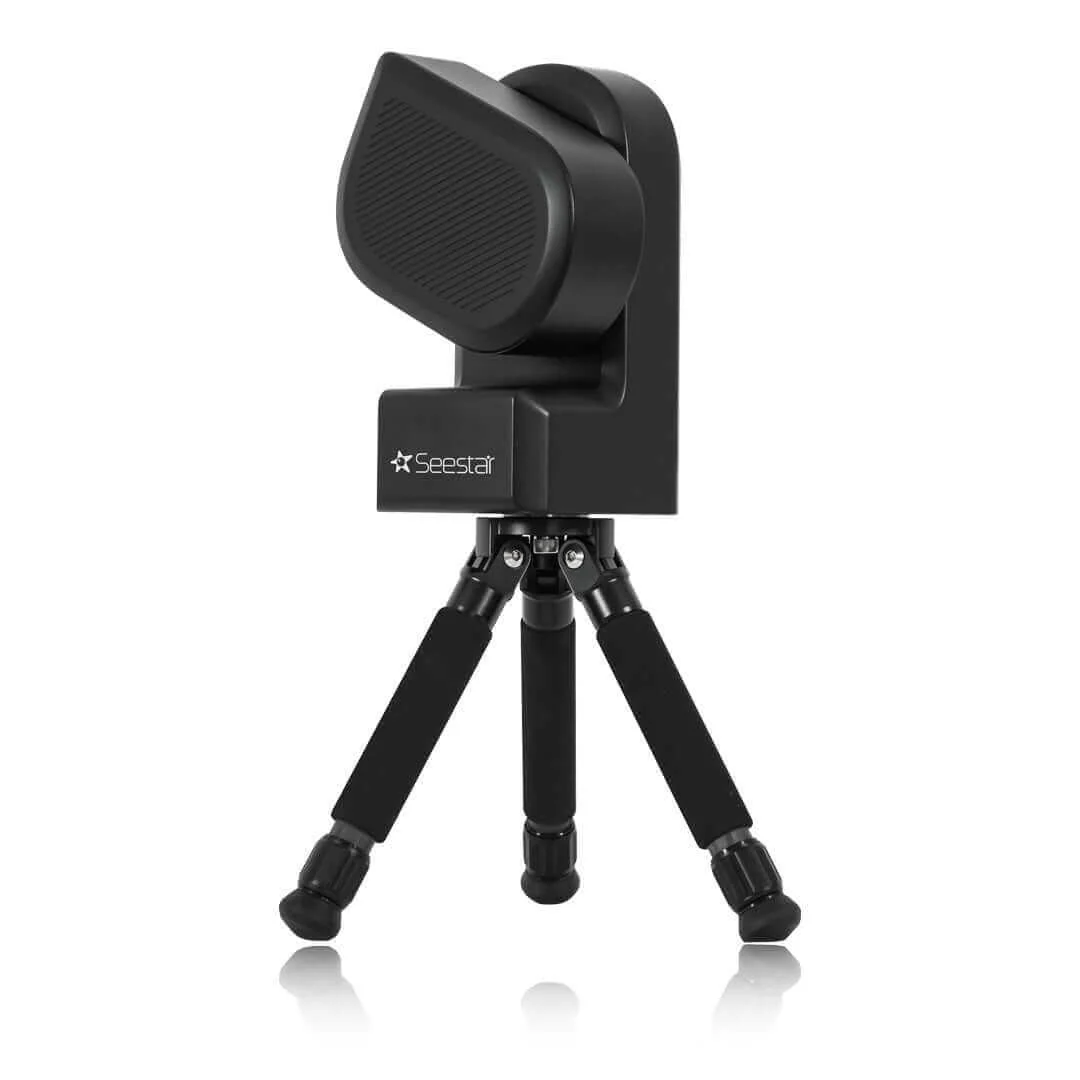
ZWO Seestar S50
- 50 mm aperture with built-in guiding & stacking.
- Excellent for galaxies, clusters, and nebulae.
- Compact, fast setup with ZWO ecosystem integration.
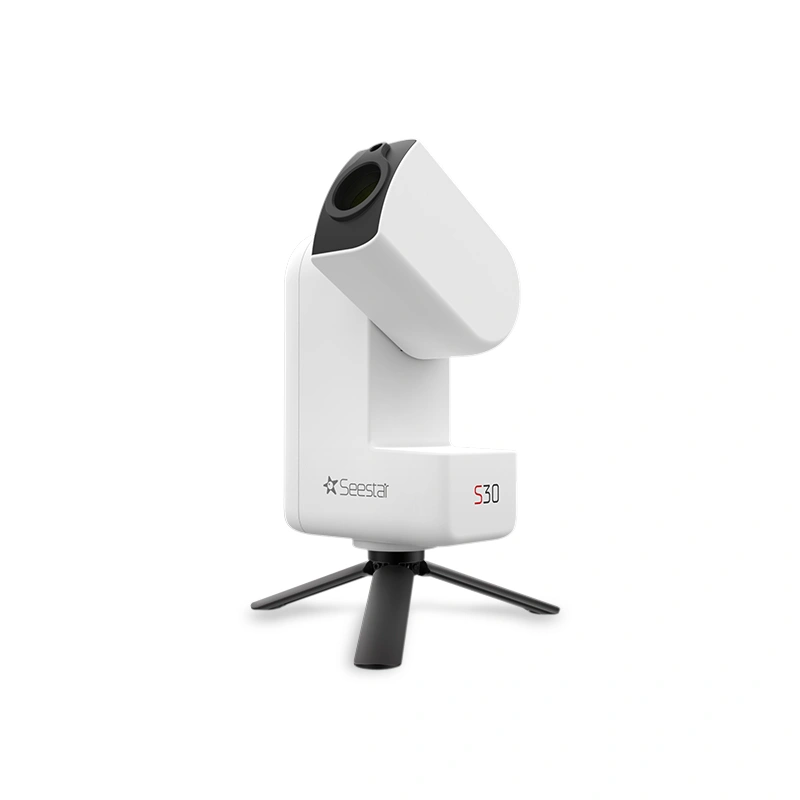
ZWO Seestar S30
- 30 mm aperture, lightweight & beginner-friendly.
- Affordable entry into astrophotography & EAA.
- Automatic alignment and stacking via mobile app.
For a more detailed overview of Smart Telescopes, read this blog.
Composition Ideas for the Blood Moon
If you’d like to go beyond a simple close-up, here are a few creative ways to frame your shots:
- Moonrise Foregrounds (Europe & N. Africa): Since totality happens right around moonrise, you can capture the red Moon rising against landmarks, silhouettes, city skylines, or a low horizon. Use planning apps to check the Moon’s azimuth and position yourself in advance.
- Long Lens Compression: A 300–600 mm lens can create dramatic images by making foreground subjects appear larger in relation to the Moon. Apps like PhotoPills can help you calculate the right distance for the effect you want.
- Timelapse Sequences: Shooting one frame every 10–20 seconds during totality will let you create a smooth timelapse later. It’s a great way to showcase the gradual deepening and fading of the Moon’s color.
Wishing you clear skies and an unforgettable view of the Blood Moon!
2 Replies to “Don’t Miss the September 7–8, 2025 Total Lunar Eclipse (Blood Moon Guide & Viewing Tips)”