The ZWO ASI2600 series is one of the most popular camera lines in amateur astrophotography. But here’s the problem: it’s not just one camera. There are mono and color versions, Duo models with a guide sensor built in, and even Air models with integrated ASIAIR control. For newcomers, figuring out which one to pick can be a real headache.
So in this blog, I’d like to help you make an informed decision by discussing the main pros and cons for each type. I’ve personally tested several versions of the 2600 series over the past year, so everything I share comes from real-world experience. So by the end, you’ll have a clear idea of which model fits your needs—and your budget.
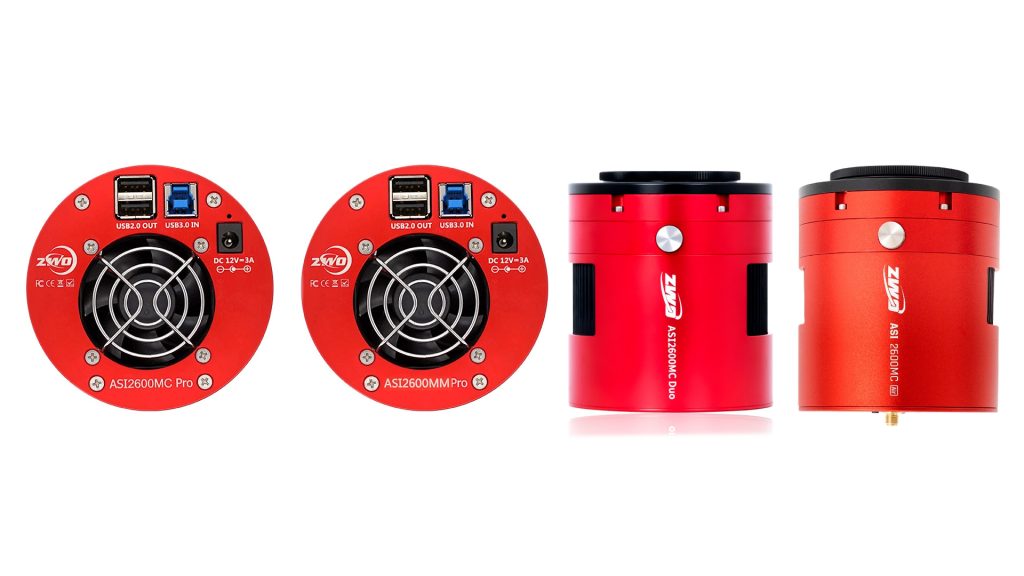
Before diving into the differences between the various ASI2600 Pro types, let’s first look at why this series is so popular in the first place. These cameras aren’t cheap—the ASI2600 Pro starts around $1,500 for the base color model, and goes up to about $2,500 for the fully featured 2600MM Air mono version.
Why is the ZWO asi2600 Pro such a great option?
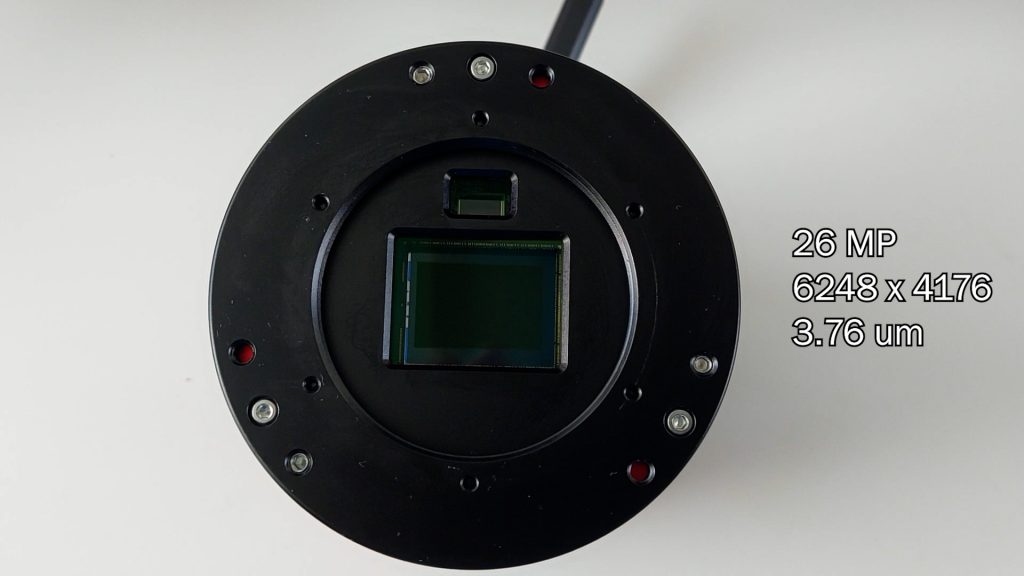
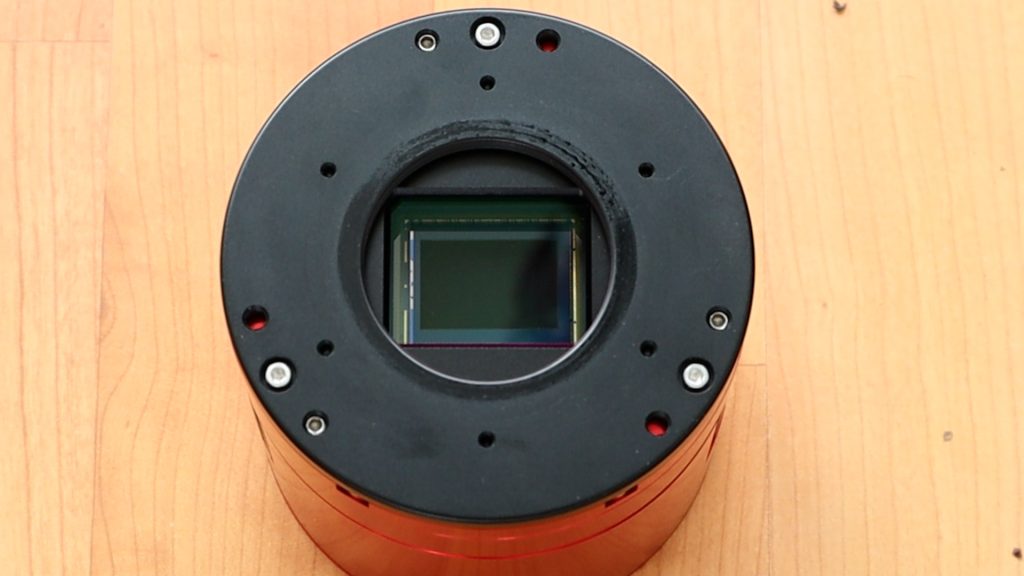
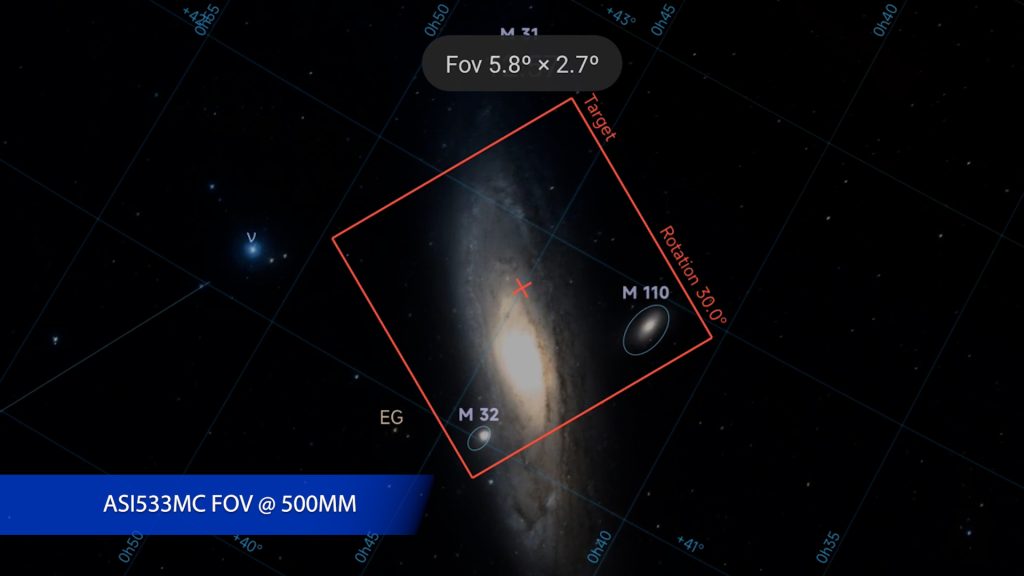
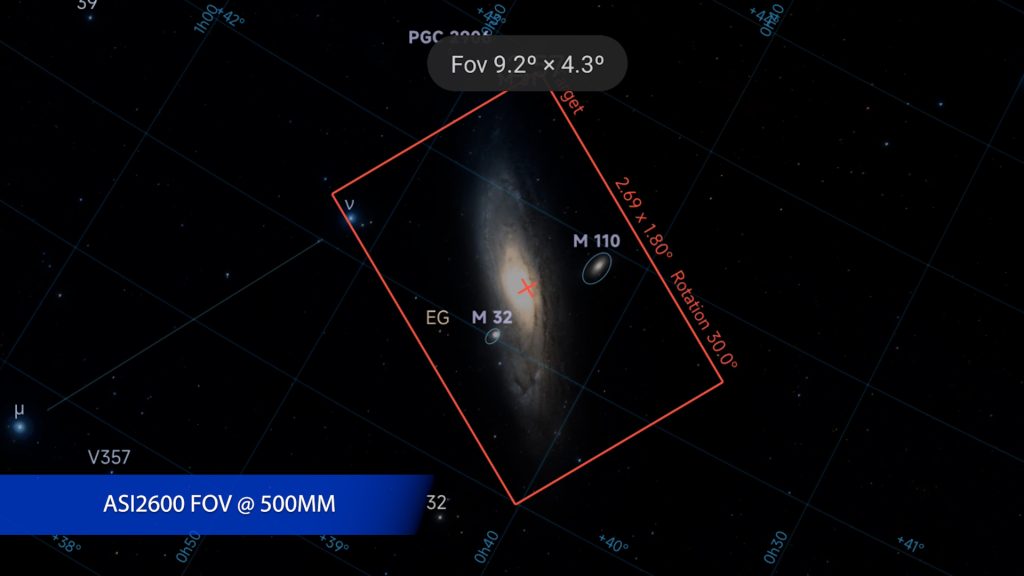
A big reason is the large 26-megapixel APS-C sensor, the same size you’ll find in many high-end DSLRs. This larger sensor is especially useful for wide targets like the Andromeda Galaxy, which stretches across several degrees of sky. Instead of taking multiple shots of different sections and then stitching them together into a mosaic, you can often capture the entire object in a single frame.
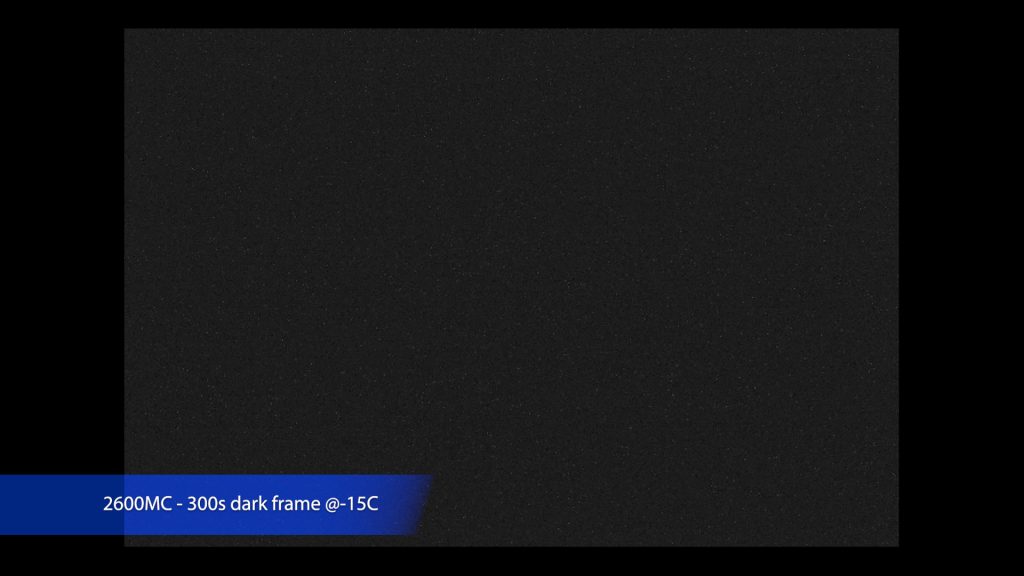
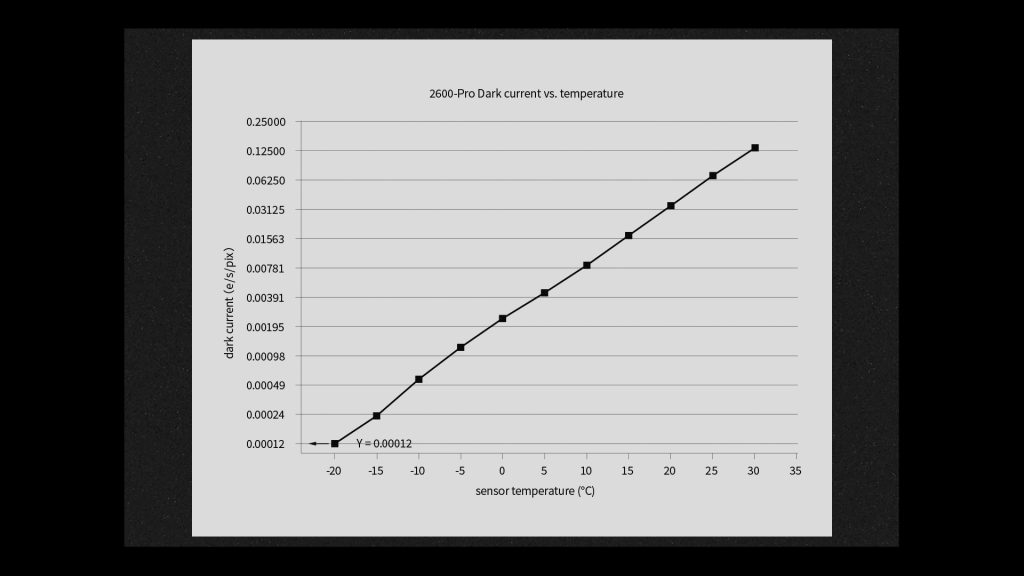
Cooling is another big advantage. A two-stage Peltier cooler drops the sensor up to 35 °C below ambient temperatures. With DSLR’s or mirrorless cameras, long exposures heat the sensor and introduce random electronic noise – those red, green and blue pixels, especially on hot days. Cooling your camera keeps the data clean, and improves your signal-to-noise ratio.
Dedicated astrophotography cameras like the ASI2600 Pro do have one limitation: unlike DSLRs or mirrorless cameras, they don’t have live-view screens. You’ll need extra hardware and software – either your laptop or ZWO’s ASIAIR system—for control. But that’s standard for dedicated astro-cameras. We’ll discuss that further when discussing the 2600 AIR version.
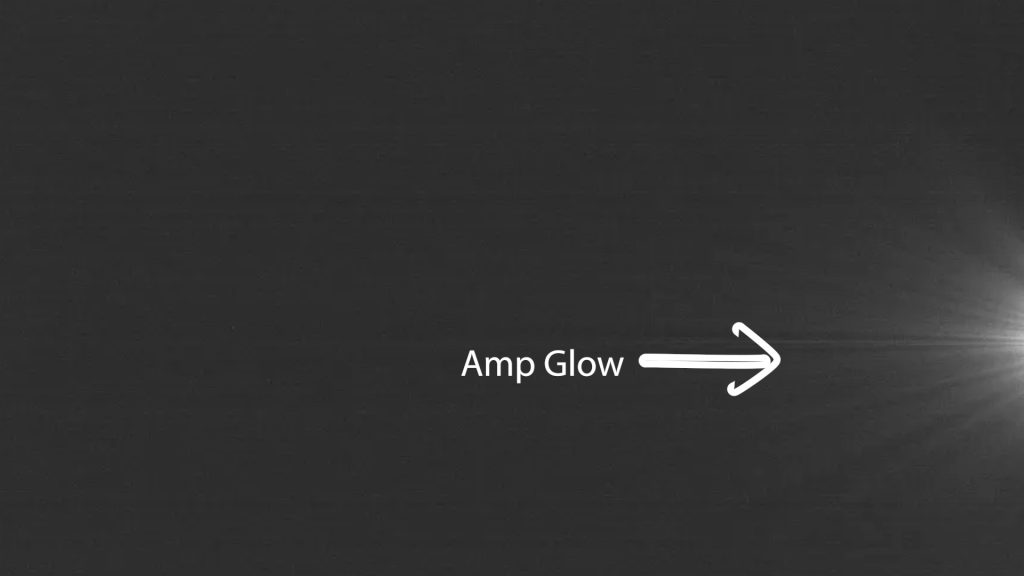
One of the biggest strengths of the ASI2600 is its sensor technology. Older cameras like the ASI1600 or ASI294 often showed amp glow—a bright haze in the corners during long exposures. You could remove it with dark frames, but it was extra work. The ASI2600’s Sony IMX571 sensor with STARVIS technology eliminates amp glow completely, so your images come out clean. You don’t always need dark frames anymore, though I still take them out of habit. But you dont have to which makes it easier
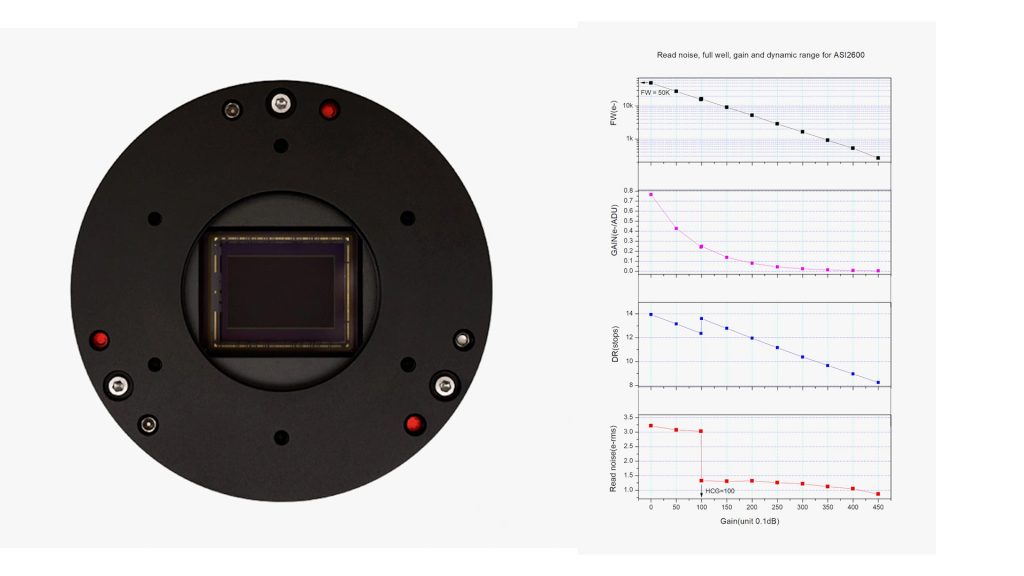
Another strength is its dynamic range. The ASI2600 uses a true 16-bit sensor, giving you over 65,000 levels of brightness to work with. Combined with a full well capacity of about 50,000 electrons and very low read noise, it means the camera can capture faint nebulosity while keeping bright stars from oversaturating. Your stars hold their natural color and detail, while dim background structures remain visible—all in the same image.
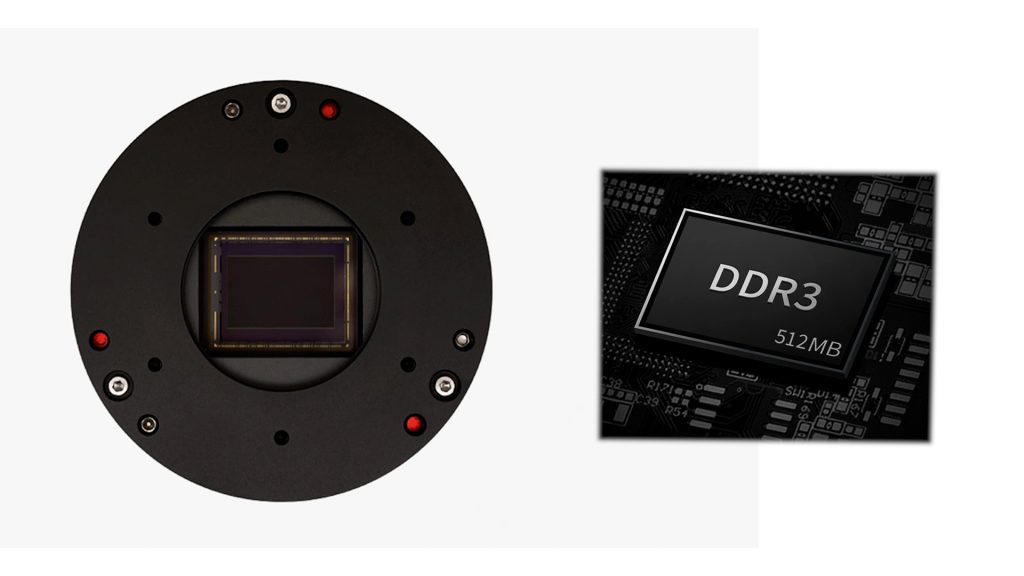
All Pro models include a 512 MB buffer for smooth data transfer and a built-in USB hub with two USB ports to power accessories like your filterwheel, focuser, or rotator. The Air versions expand this further, with four USB ports plus three 12 V power outputs to power other astro-devices.
Should you go for Mono vs Color?
So now that we’ve covered why the ASI2600 series is so popular, let’s tackle the big question: which model—mono, color, Duo, or Air—is the best match for your astrophotography workflow?
Let’s start with the most important choice: do you go for a color version or a mono version?
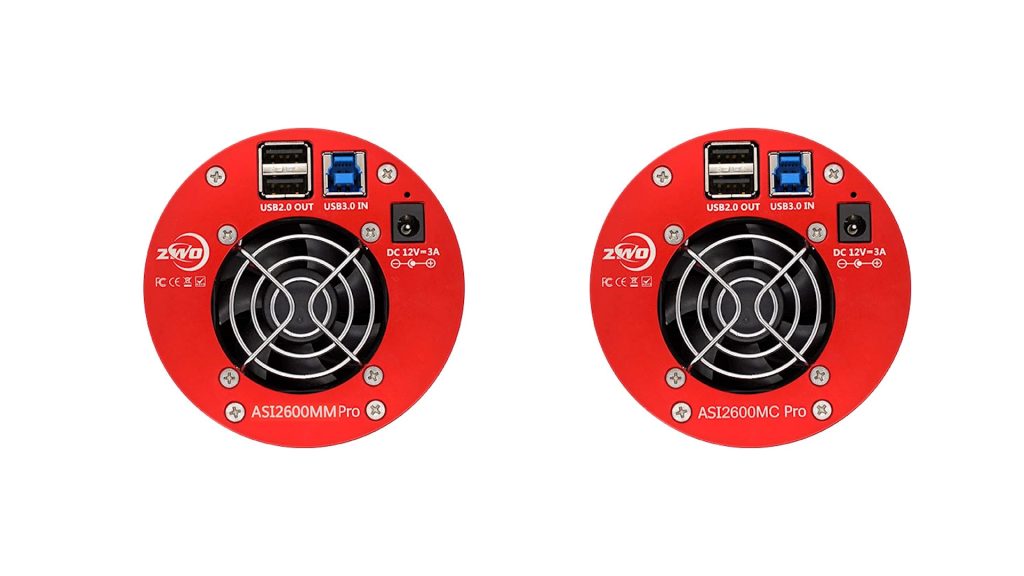
Color cameras, like the ASI2600MC Pro, are generally more affordable—typically around $1,500 USD—and much easier to use. They include a built-in IR-cut filter, so you can start imaging just like with a regular camera. No need for extra filters or a filter wheel unless you want to. If you’re dealing with city glow, you can add a broadband light-pollution filter like the Optolong L-Pro or IDAS LPS. Or, you can enhance contrast with duo- or tri-band narrowband filters, like the Optolong L-Extreme or L-Ultimate, to capture hydrogen-alpha and oxygen emissions from nebulae.
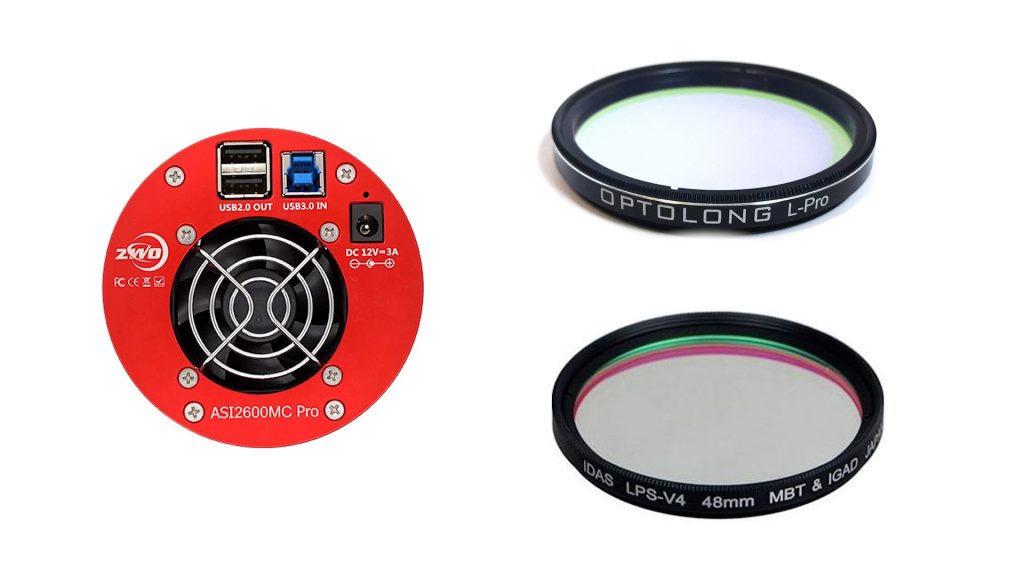
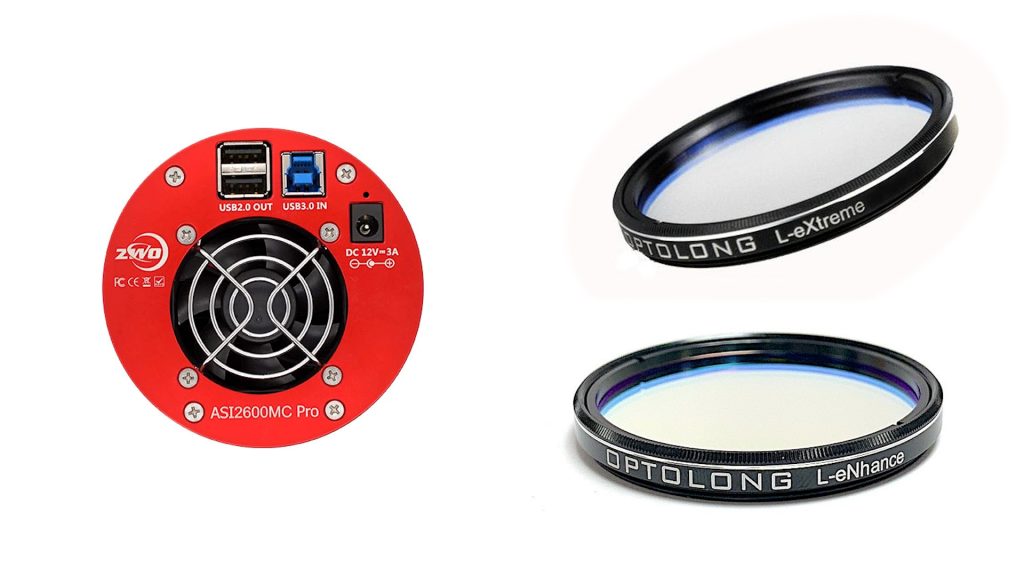
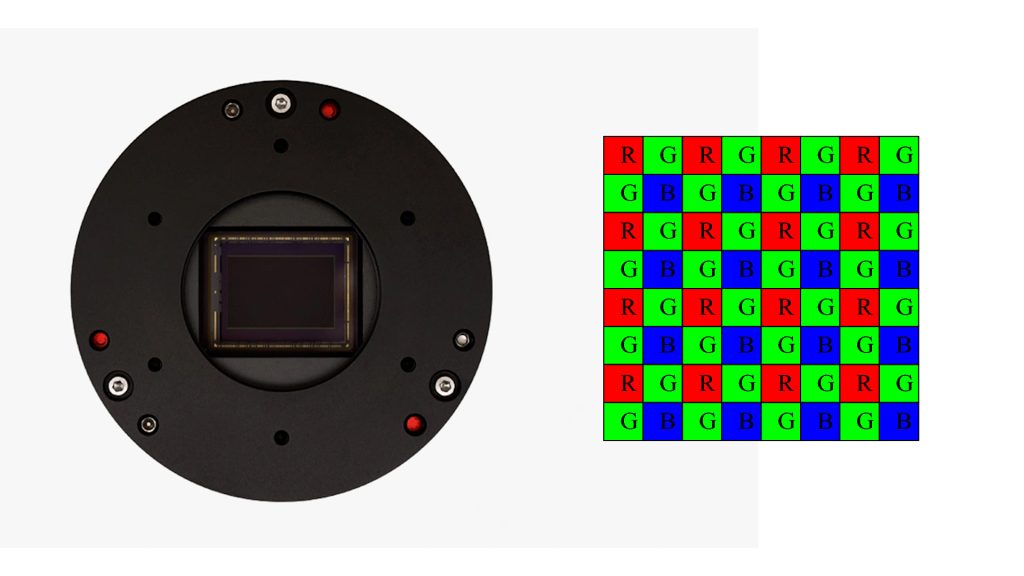
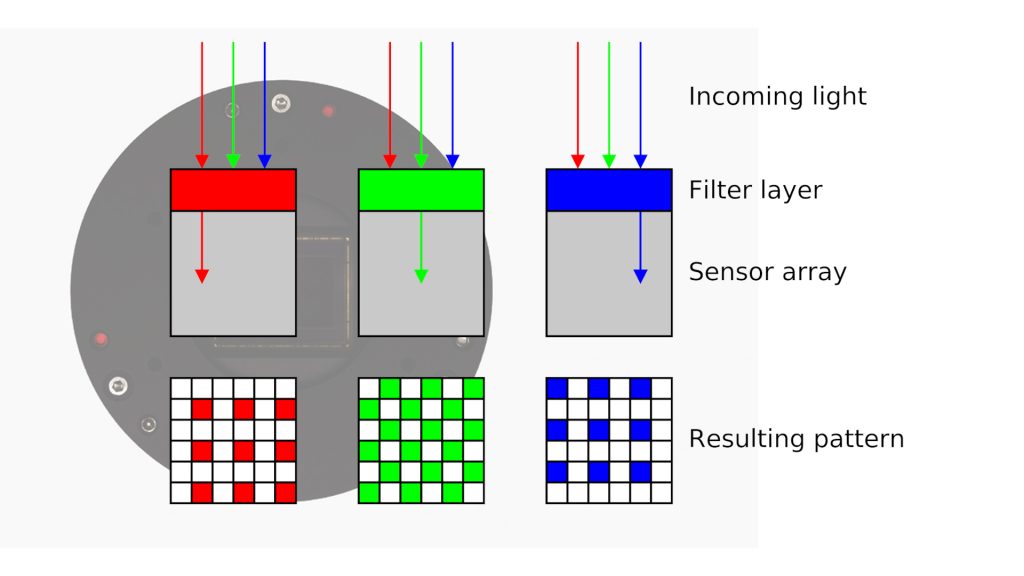
But here’s the catch: the color version is less efficient at capturing specific colors because of its Bayer matrix. Half the pixels are covered with green filters, a quarter with red, and a quarter with blue. This is a so-called RGGB pattern. That means when red light from an emission nebula hits the sensor, only the red-filtered pixels record it, while the rest block it. The same goes for blue light, which is only recorded when it passes through a blue filter. So with a color camera, only 25% of the pixels capture red, and only 25% capture blue—half capture green. That’s fine for natural color images, but it means you’re less efficient at recording the red and blue light that many nebulae, like the Orion Nebula or the North America Nebula, glow in.
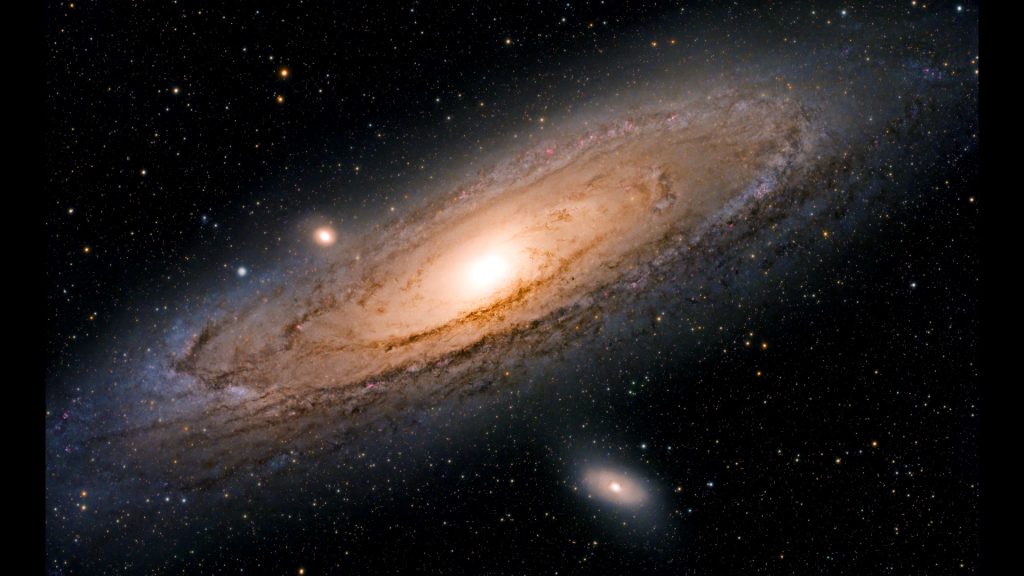
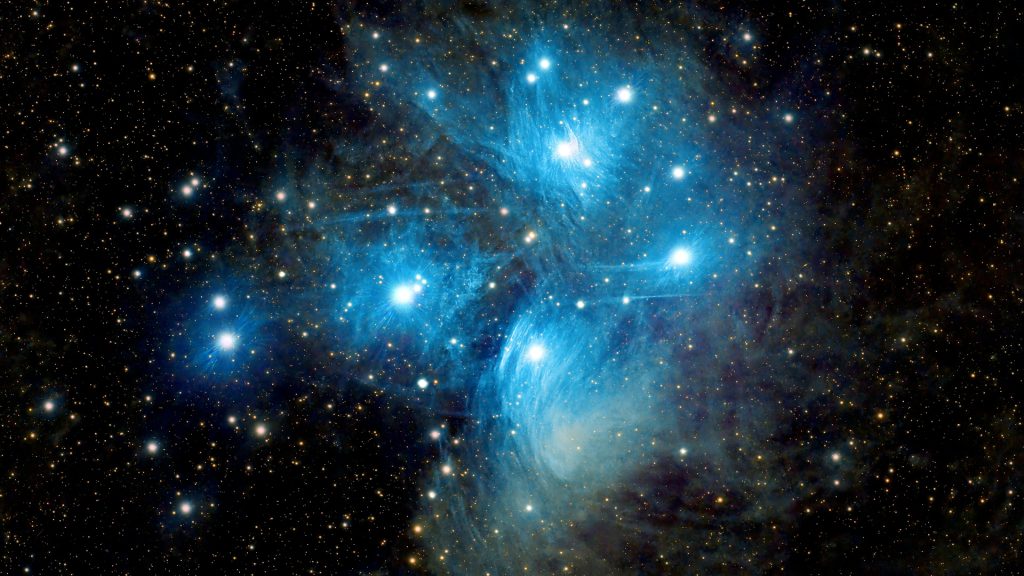
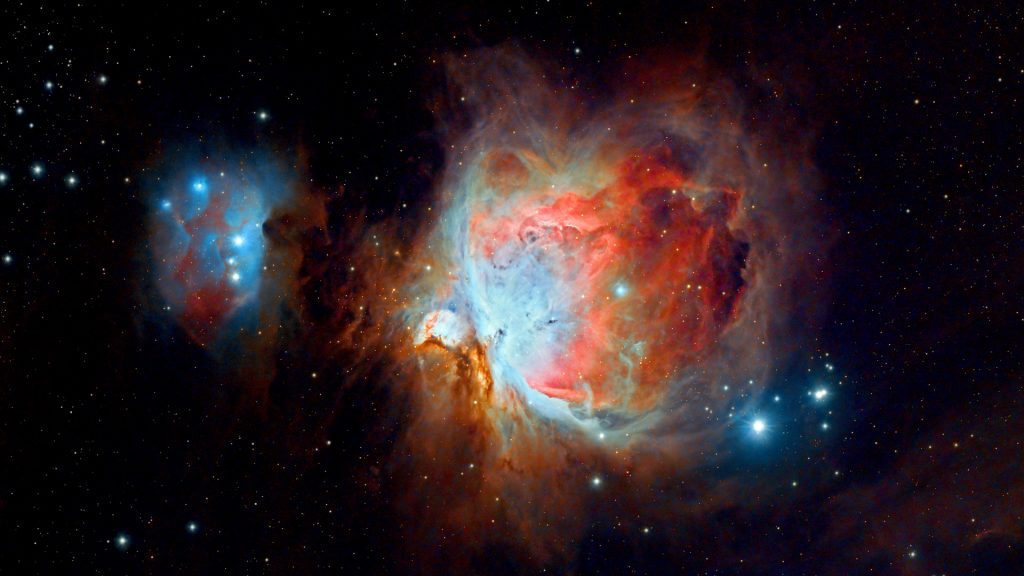
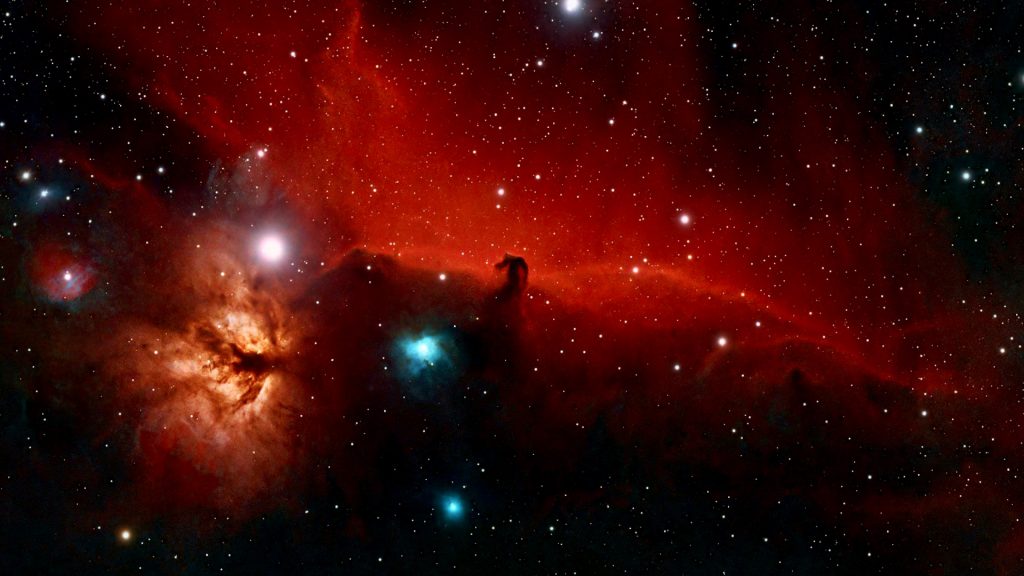
Still, you can get beautiful photos in color—straight out of the camera, in full color, without having to process multiple filter sets. Here are a couple of processed photos I took using the ASI 2600MC Pro color camera, paired with an 80mm aperture, 600mm focal length telescope under bortle 7 (city light polluted) skies.
The ASI2600MC Pro is available at ZWO, Agena Astro (USA/WW), High Point Scientific (USA/WW) and Astroshop (EU/WW).
On the other hand, the **monochrome version—the ASI2600MM Pro—**sits at around $2,000 USD, so that’s already about $500 more expensive than the color version. It also requires a filter wheel and a full filter set, which makes the setup more expensive and more complex. But mono cameras are far more efficient—when you use a red filter, all the red light passes to every pixel. No light wasted. That means better signal and higher-quality data. You can shoot broadband with LRGB filters—meaning red, green, blue, plus a luminance filter that captures all visible light to boost detail. Or you can go narrowband, using filters like Hα (hydrogen-alpha), OIII (oxygen-III), or SII (sulfur-II). These isolate the exact wavelengths of light emitted by gases inside emission nebulae, letting you create highly detailed and dramatic images, even under light-polluted skies.
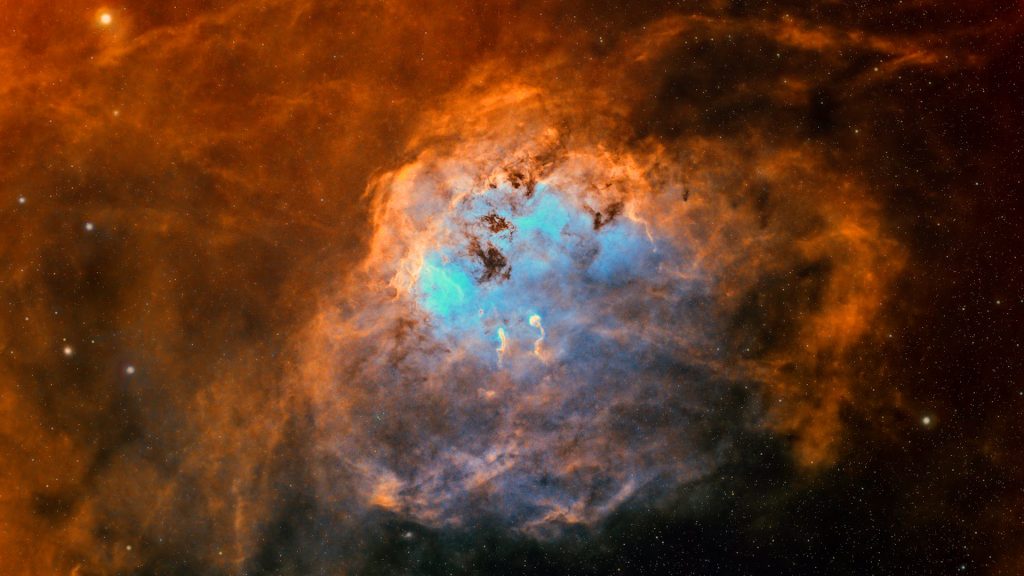
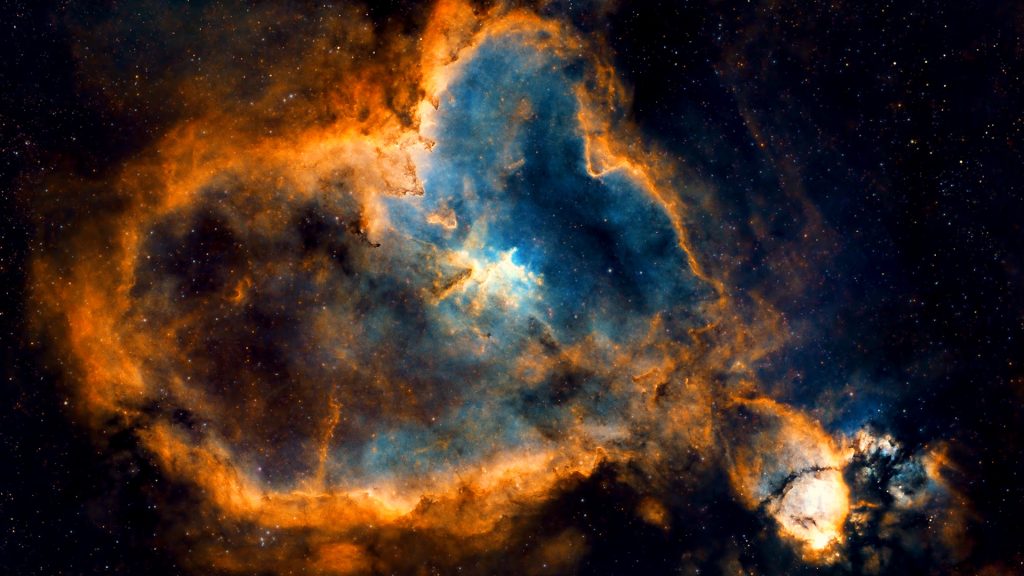
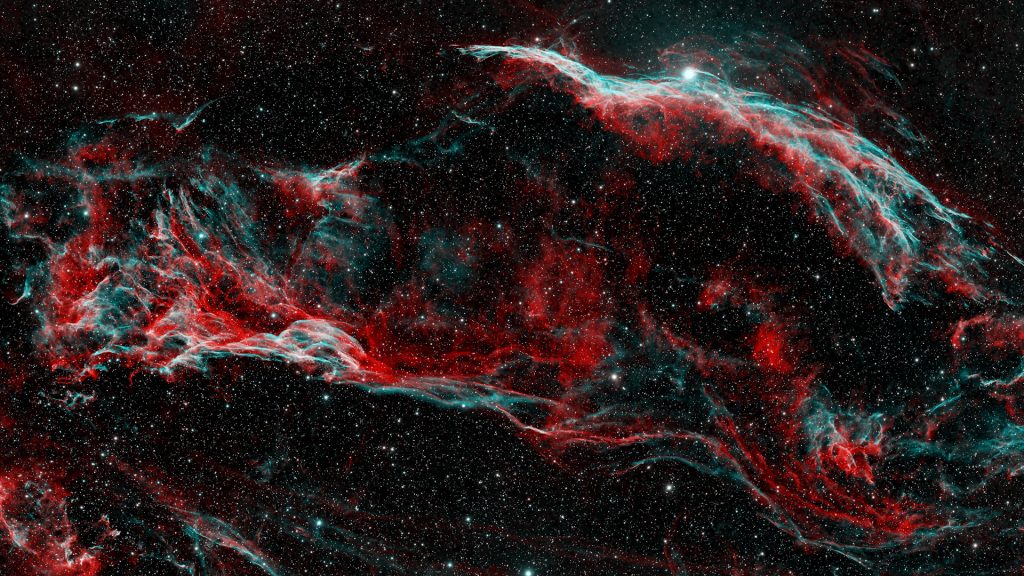
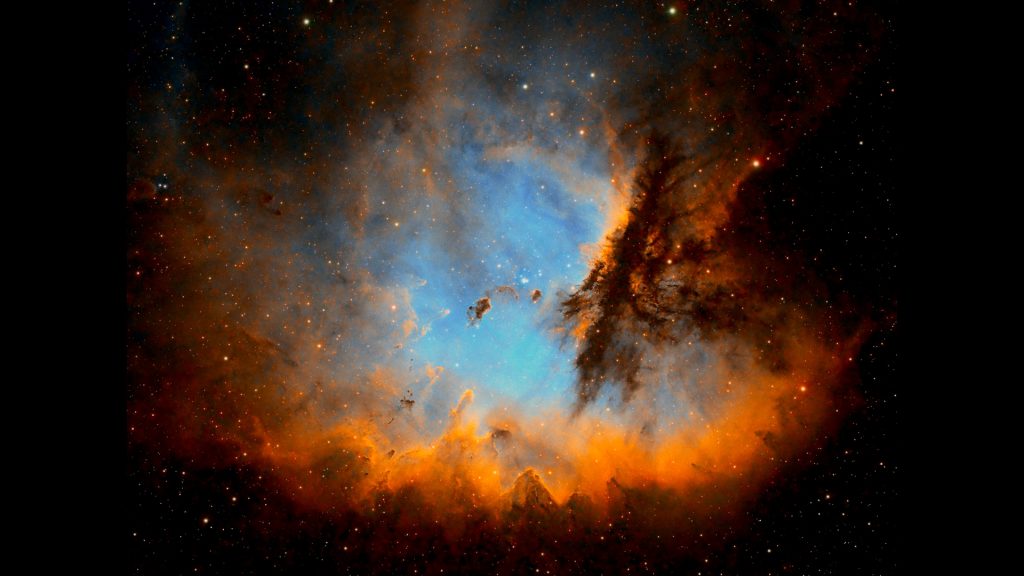
I mainly use my monochrome camera for narrowband imaging, so let me show you a couple of pictures I took with this camera. Yes, it takes extra time—multiple filter shots and processing—but the image quality is as good as it gets. Here are some examples of stacked and processed narrowband pictures I took with my ASI2600MM Pro, under bortle 7 (city light polluted) skies.
The ASI2600MM Pro is available at ZWO, Agena Astro (USA/WW), High Point Scientific (USA/WW) and Astroshop (EU/WW).
So what’s the bottom line? If you’re after top-tier image quality and willing to spend more effort and money, mono is the way to go. But if you’d rather keep things simple while still getting outstanding results, a color camera delivers.
ZWO ASI2600 Series – Pros & Cons
Pros
- Affordable entry point (~$1,500)
- Simple setup, no filters required
- True one-shot color imaging
- Great for beginners and advanced users
Cons
- Less efficient due to Bayer matrix (red/blue capture limited)
- Narrowband performance weaker than mono
- Less flexible for advanced imaging
Pros
- Highest image quality and efficiency
- Works with LRGB and narrowband filters
- Maximum flexibility in post-processing
- Best for serious deep-sky imagers
Cons
- More expensive (~$2,000 + filters/wheel)
- More complex setup and workflow
- Longer total imaging time required
Next, let’s discuss at the Duo and Air versions.
Should I Go for an ASI2600 MM/MC Duo?
The ASI2600 Duo is a special version of the 2600. It combines your main imaging sensor with a built-in guide sensor, so in theory you don’t need a separate guide camera or guide scope.
Price-wise, the Duo is about 300 dollars more than the regular Pro models. The color Pro is around 1,500 dollars, while the color Duo is about 1,800. The mono Pro is just under 2,000 dollars, and the mono Duo is closer to 2,300. That extra 300 is basically what you’d spend on a separate guide setup anyway, like a ZWO ASI120MM Mini with a 30 millimeter scope for about 270 dollars, or the newer ASI220MM Mini with a 50 millimeter scope for around 400 dollars. Another option would be to get an off-axis guider, and a guide camera, which amounts to about the same cost. So the Duo isn’t much cheaper than that, it’s mainly about convenience.
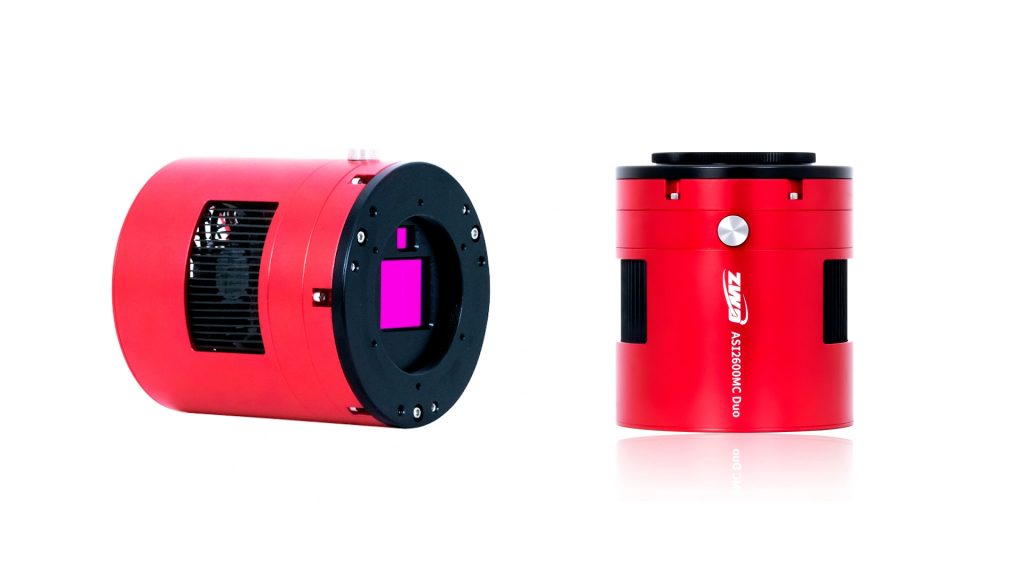
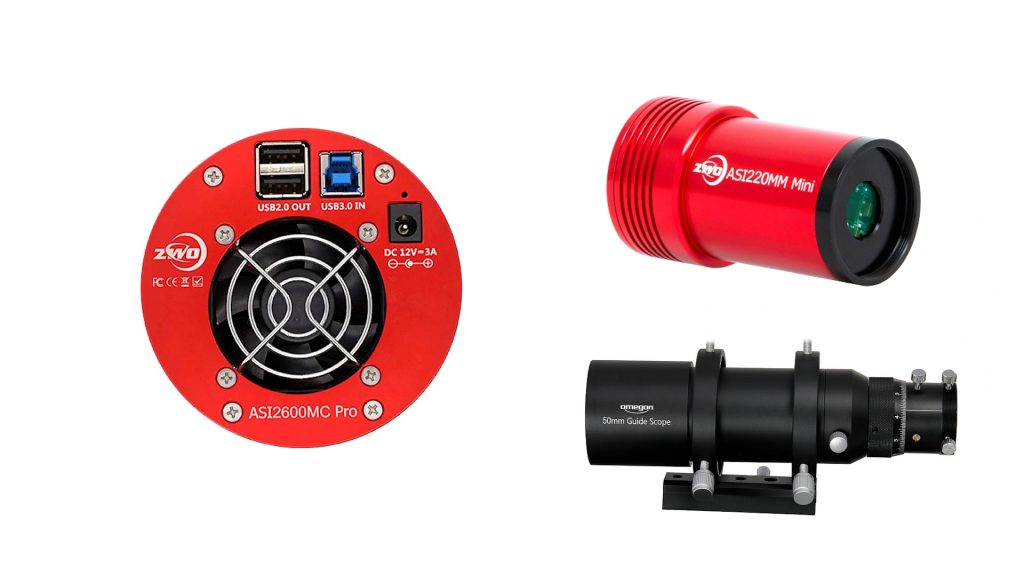
So let’s talk about the pros and cons of having that guide sensor inside the main camera. First, the pros.
It’s clean and simple. You only need one camera, one USB cable, and the SC2210 guide sensor is very sensitive. For broadband imaging it works really well.
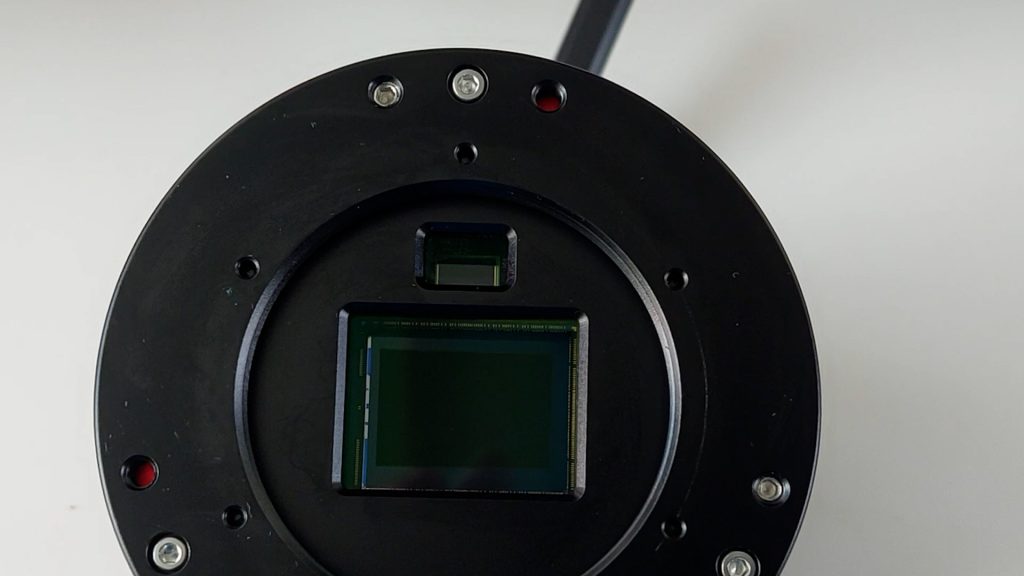
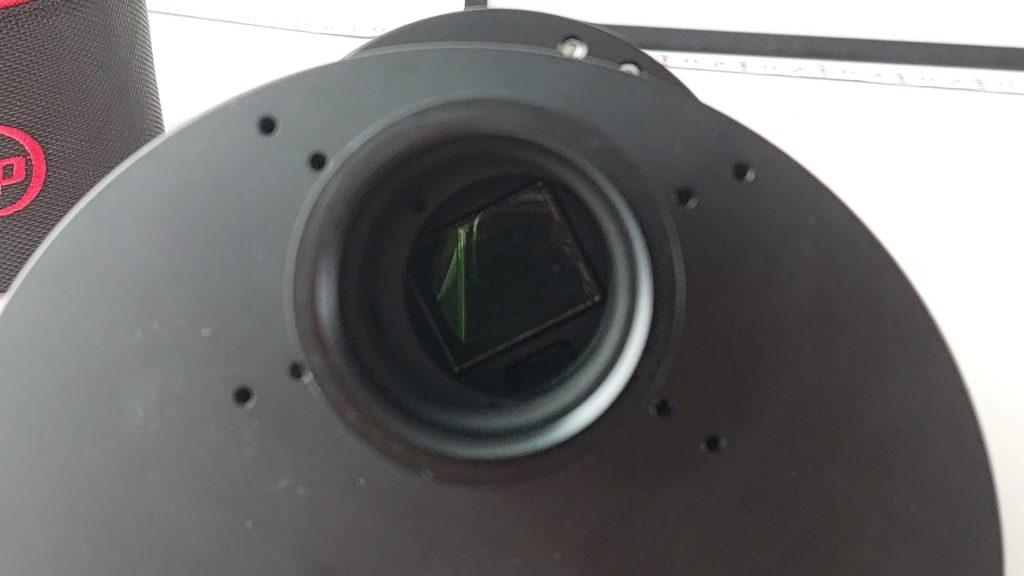
Now the cons. The guide sensor sits about 20 millimeters off-center from the main APS-C sensor, close to the edge of your telescope’s image circle where light falloff is stronger. This is why filter size and image circle matter. 1.25 inch filters are too small. 36 millimeter filters are borderline. The safe choice is 2 inch filters with M48 threads on a telescope that delivers at least a 44 millimeter image circle.
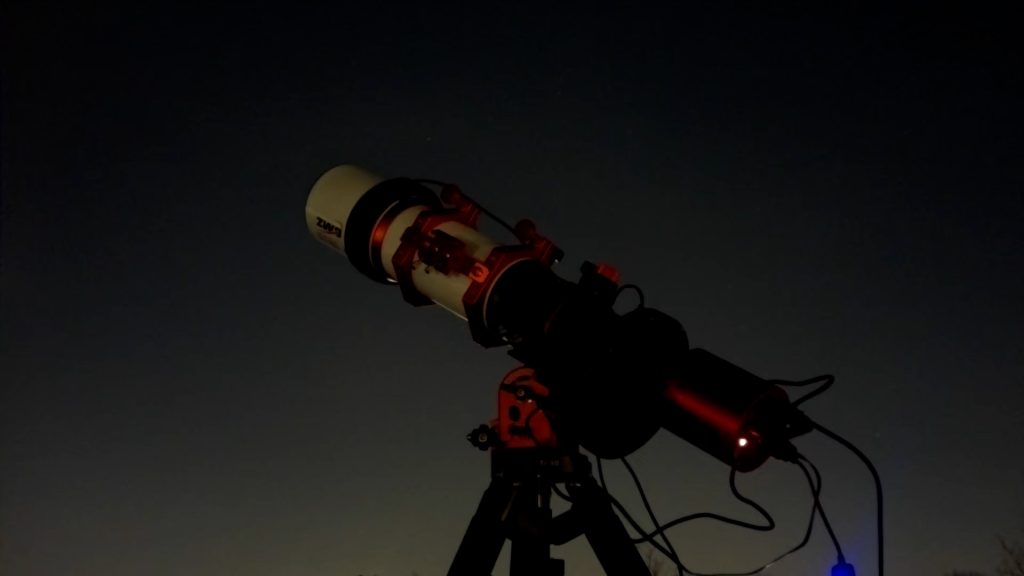
For example, my ZWO FF80 has a 44 millimeter image circle, and with 2 inch filters the Duo guided very well when I was shooting broadband targets like galaxies and clusters. In my case I was actually using the Air model, but since it uses the same SC2210 guide sensor as the Duo, the experience is identical. With broadband it performed great, but once I switched to narrowband filters the guide sensor didn’t get enough light. I had to push gain and exposure times much higher, which quickly became inconvenient.
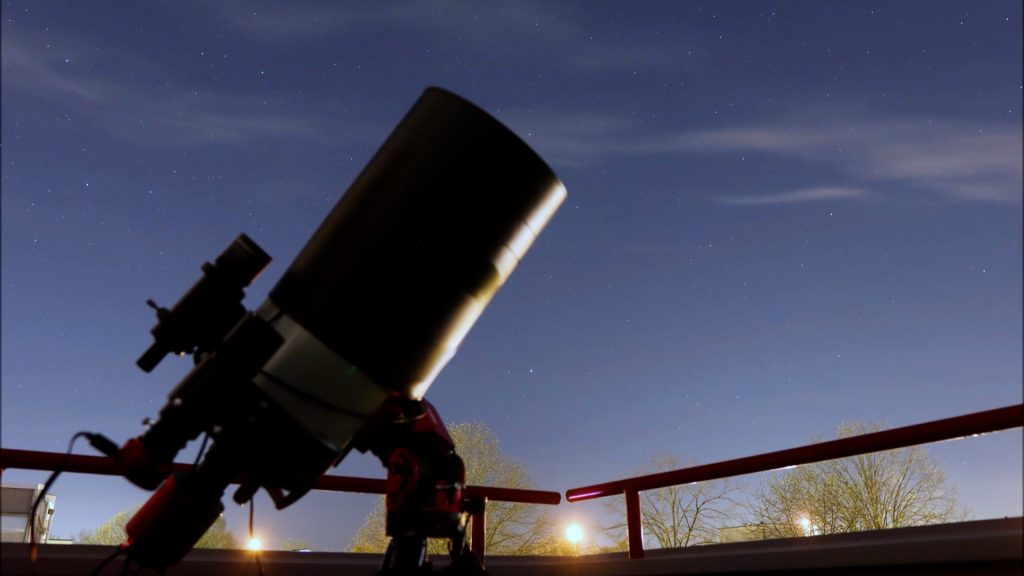
I also tested it on my Celestron Edge HD 8 inch, which has a corrected image circle of about 42 millimeters. Again,imaging with broadband filters and without filters was fine, but with narrowband I ran into the same issue. I need to increase the gain and exposure time to multiple seconds to successfully initiate guiding. Long exposure guiding isn’t such a good match, especially for harmonic drive mounts like the ZWO AM5 or iOptron HEM, which perform best with quick corrections of the guide sensor of around one to two seconds.
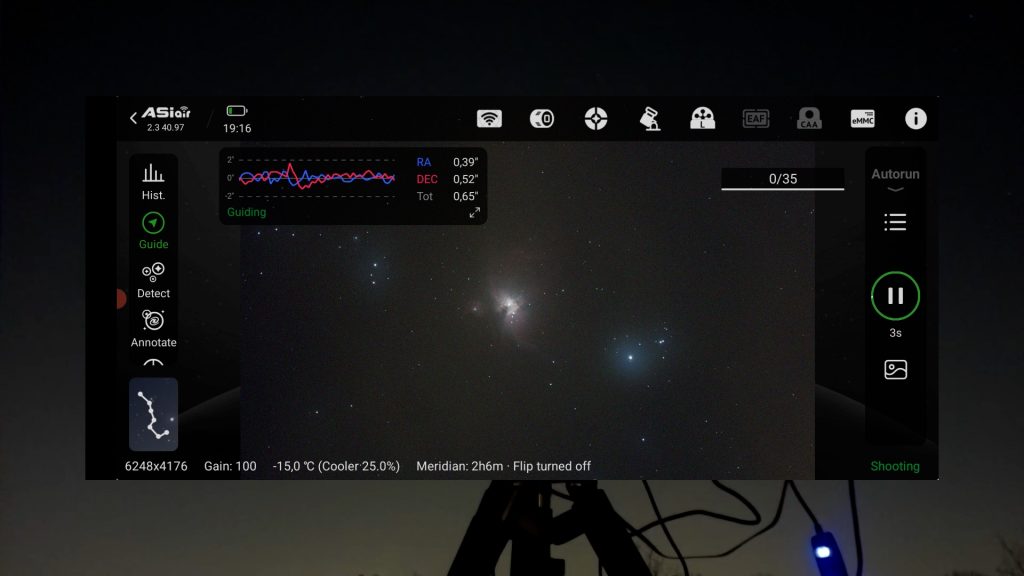
And at 2000 millimeter focal length with the Edge, the Duo’s guide sensor field of view was so small that sometimes I couldn’t even find a good guide star. In those cases I had to go back to using a separate guide scope and camera.
If you mainly shoot broadband and you want the cleanest, most cable-free rig possible, the Duo is excellent. But if you spend a lot of time on narrowband imaging, you work at long focal lengths, or your telescope has a limited imaging circle, the safer route is the regular Pro plus a separate guide setup.
Telescopes with smaller corrected image circles in particular are a poor match. A good example is the RASA 8, which has a corrected image circle of only about 22 millimeters. In cases like that, the Duo, or the Air, simply won’t perform as intended.
The ASI2600MC DUO (color) is available at ZWO, Agena Astro (USA/WW), High Point Scientific (USA/WW) and Astroshop (EU/WW).
The ASI2600MM DUO (mono) is available at ZWO, Agena Astro (USA/WW), High Point Scientific (USA/WW) and Astroshop (EU/WW).
Pros
- Built-in guide sensor (fewer cables/devices)
- Clean rig setup, great for broadband
- Cost difference similar to separate guide setup
- Ideal for mobile rigs with limited space
Cons
- Guide sensor sits off-axis
- Limited by telescope’s image circle
- High focal length guiding may be tricky due to insufficient guide stars
- Narrowband guiding may be tricky due to limited light reaching the guide sensor
Should I Go for an ASI2600MC/MM AIR?
The ASI2600 AIR is ZWO’s all-in-one camera. Instead of buying a Pro or Duo and a separate ASIAIR, the AIR puts everything in one body: the IMX571 imaging sensor, a built-in 2 MP guide sensor, and the full ASIAIR software with Wi-Fi and 256 GB of onboard storage. If you’ve never used an ASIAIR before, think of it as ZWO’s control computer for your rig; from your phone or tablet you handle polar alignment, plate solving, focusing, guiding, autoruns, and file storage. Normally it’s a separate box ; but in the 2600 AIR, that computer lives inside the camera.
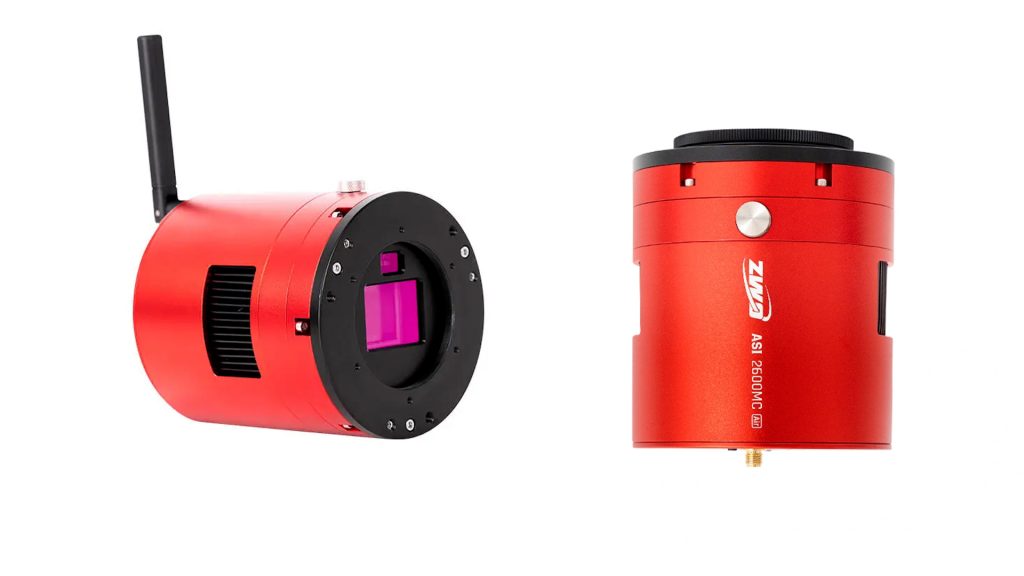
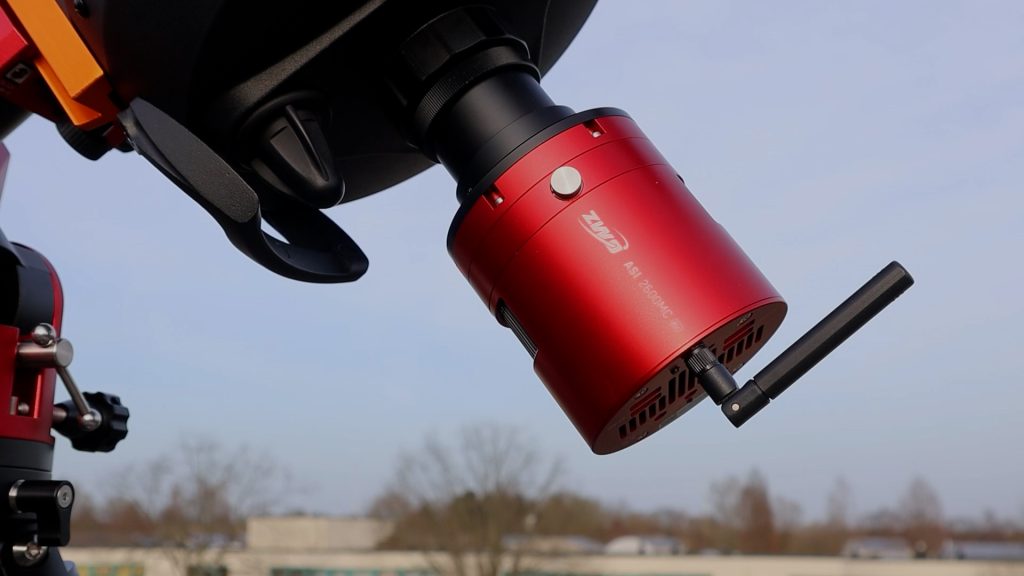
The biggest benefit of the ASI2600MC AIR is integration. Because the guide sensor and the ASIAIR computer are built in, you immediately lose two cables: no USB from the main camera to a standalone ASIAIR, and no USB cable for an external guide camera. The rig is cleaner and lighter, and meridian flips are less stressful because there’s less chance of cable snags. We already covered the guide-sensor pros and cons in the Duo section; so let’s discuss the pros and cons of having an “ASIAIR inside” the camera.
On price, the MC Duo about $1,800, and the MC AIR about $2,000. And On the mono side, the MM Duo is about $2,300, and the MM AIR about $2,500. So the AIR costs about roughly $200 more than a Duo. A standalone ASIAIR Plus is about $300, so it is cheaper to buy an ASI2600MC AIR as compared to buying a Duo plus a separate ASIAIR Plus if you wanted that controller anyway.
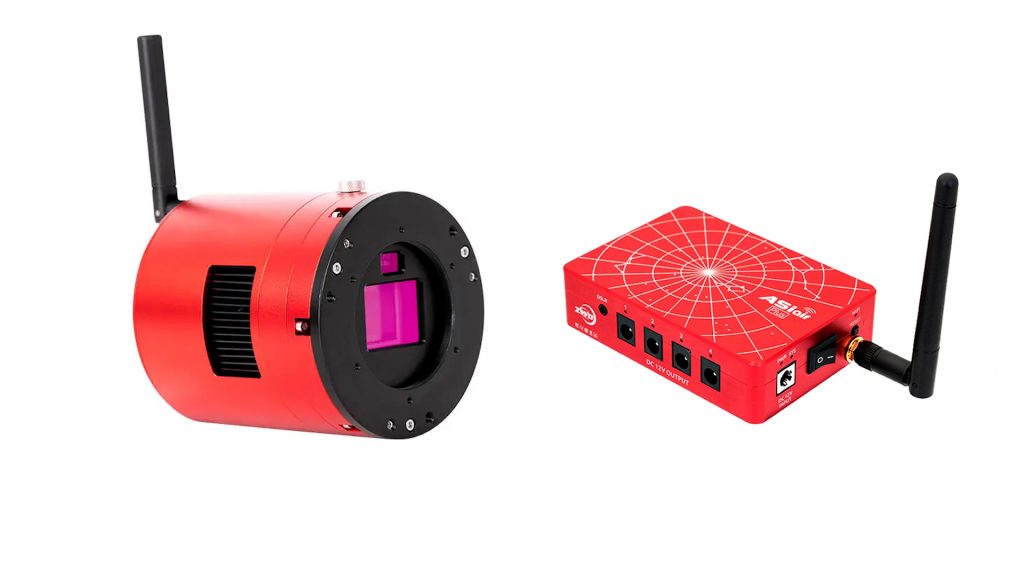
Now the trade-off of choosing the AIR over a separate ASIAIR is connectivity and power. The AIR body provides four USB 2.0 ports and has three 12-volt outputs; one must power the camera, so only two remain to power accessories. A standalone ASIAIR Plus, by contrast, gives you two USB 3.0 ports, two USB 2.0 ports, and four dedicated 12-volt outputs. Most deep-sky accessories are perfectly fine on USB 2.0—mounts, guiders, filter wheels, and focusers don’t need high bandwidth.
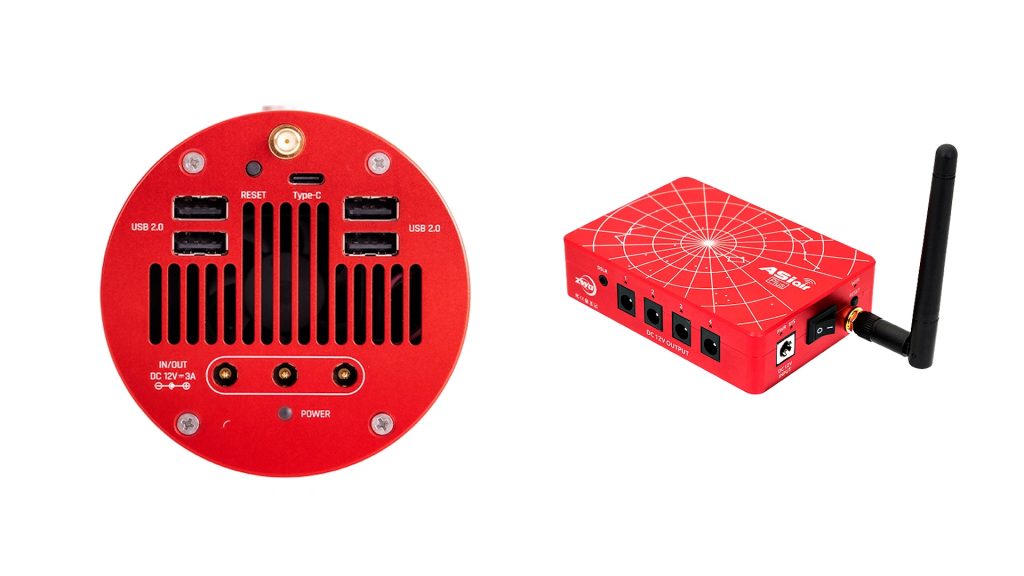
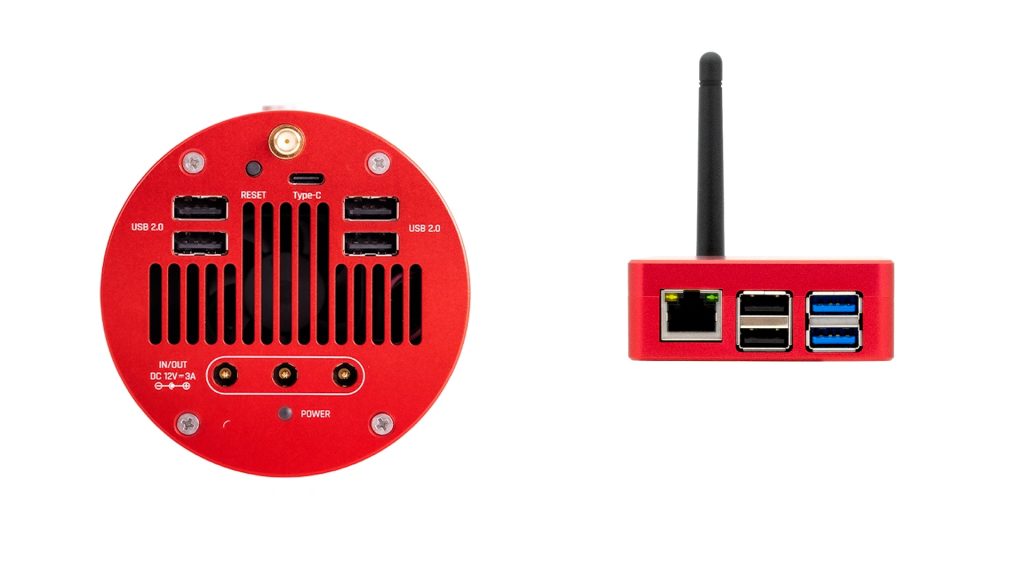
In practice, the AIR runs smoothly, and having fewer cables makes the setup much cleaner. Just keep power in mind: if your rig uses extras like a rotator, filter wheel, focuser, and dew heater, or other accesories that need to be powered, the two 12-volt outputs may not be enough.
My conclusion: if you want simplicity and fewer cables, the ASI2600MC AIR is an excellent choice. But if your setup needs more power connections, the Pro or Duo combined with a separate ASIAIR Plus will give you more flexibility in this respect.
The ASI2600MC AIR (color) is available at ZWO, Agena Astro (USA/WW), High Point Scientific (USA/WW) and Astroshop (EU/WW).
The ASI2600MM AIR (mono) is available at ZWO, Agena Astro (USA/WW), High Point Scientific (USA/WW) and Astroshop (EU/WW).
Pros
- All-in-one solution (camera + guide sensor + ASIAIR inside)
- Cleanest possible cable management (reduction of cables)
- Built-in Wi-Fi and 256 GB storage
- Cheaper than buying Duo + ASIAIR separately
Cons
- Fewer power outputs (only 2 available)
- All USB ports are USB 2.0 (no USB 3.0)
- Less flexible for heavy accessory loads
- Same guide sensor limitations as Duo
Final Wrap-Up and Conclusion
The ZWO ASI2600 series has truly become one of the most versatile and reliable astrophotography camera lines available today. No matter which version you choose, they all share the same foundation: the large Sony IMX571 APS-C sensor with excellent cooling, a clean image without amp glow, high dynamic range, and smooth data handling. These strengths make the ASI2600 series stand out in the world of dedicated astrophotography cameras.
When it comes to choosing between them, it really depends on your style of imaging. The ASI2600MC Pro, the color version, is the easiest to use and the most affordable. It’s a fantastic option if you want to get started quickly and still produce beautiful one-shot color images. The monochrome version, the ASI2600MM Pro, demands more investment in filters and equipment, but in return it delivers the very highest image quality and flexibility for both broadband and narrowband imaging.
If you want to simplify your rig, the ASI2600 Duo is worth considering. With its built-in guide sensor it eliminates the need for an extra guide camera and guide scope, and for broadband imaging it works very well. However, it does have some limitations when used with narrowband filters or long focal length telescopes, and you need a big enough imaging circle of at least 44mm. Finally, there is the ASI2600 AIR, which integrates the guide sensor and the full ASIAIR system inside the camera. This model offers the cleanest, most cable-free setup, and it is also more cost effective than buying an ASIAIR separately. The trade-off is that it provides fewer power outputs and only USB 2.0 connections, so it may not be the best choice for more complex rigs with lots of accessories that need to be powered.
In the end, there is no single best ASI2600 model. The right choice depends on what you value most: simplicity and quick results, ultimate image quality, a cable-free setup, or an all-in-one integrated system. Whichever model you decide on, the ASI2600 series delivers professional-grade performance that can grow with you as your astrophotography journey continues.
Clear skies!
Wido Oerlemans
For an overview of all ZWO camera specifications, check this table.
I have been using an ASI2600MC-Pro for several years along with the ASIAir (now ASIAir Plus) on my Askar 107PHQ optics and it is, as you noted, an excellent OSC which suits my imaging needs very well. When the Duo version was released, I seriously considered acquiring it as replacement for my 2600MC… but as I do a lot of long exposure NB imaging, I believed that, with a 2″ filter, such as my Optolong L-Ultimate, I would severely limit my guide star selection and thus guiding… I opted for an OAG instead and have no issues with guiding (and the OAG’s ease of focus adds another positive experience (over the separate guide scope/camera configuration). Finally, I thought the recently available 2600 Air version would be a great fit with a further reduction of complexity but it fell very short on power when compared to the ASIAir Plus… so I have not followed that track at all.
I found your analysis of the ASI2600 camera technology, features, capabilities and comparisons to be both excellent and straightforward; you hit all of the salient points and I would have benefited (in time, if not $’s) if it would have been possible to have read this 3-4 years ago… but your information, presented clearly and in a sound functional framework, gave me a second look in the rear view mirror of decisions made when selecting my imaging camera and controls… and I thank you for providing this comparator of the ASI2600 tech for others contemplating imaging tech decisions.