Hey everyone! ToupTek sent me their new AE676M mono camera with their AFM mini Filterwheel, so I took it out on a first light adventure with the main goal of capturing Saturn, which is almost in opposition.
When it comes to planetary imaging, monochrome cameras hold a distinct edge over their one-shot color counterparts. Without a Bayer matrix covering the sensor, every single pixel records incoming photons at 100% efficiency. By swapping between individual red, green, and blue filters, you isolate specific wavelengths of light, drastically cutting down on atmospheric chromatic distortion and capturing far sharper raw details.
ToupTek AE676M Technical Specifications
Key hardware metrics and sensor features that define the performance of the mono AE676M.
| Sensor Model | Sony STARVIS 2 IMX676 (Monochrome) | |
| Resolution & Format | 12.5 Megapixels (3536 × 3536 Square Format) | |
| Pixel & Sensor Size | 2.0 µm | 1/1.6″ (7.07mm × 7.07mm) | |
| Max Frame Rate | 31 FPS Full Res (ROI up to 990+ FPS) | |
| DDR3 Memory Cache | 512MB Buffer (USB 3.0 Type-C) | |
| Readout Noise & ADC | Down to 1.01 e⁻ (HCG Mode) | Native 12-bit ADC | |
| Active Cooling | Magnetic Detachable Cooling Fan (Up to -20°C ambient) | |
| Optical Window | Double-Sided AR-Coated Glass Window |
The AE676M itself is a fascinating, highly versatile little camera. Built around Sony’s square IMX676 sensor, it pushes a full 12.5 megapixels with tiny 2.0-micron pixels. That small pixel size is a huge advantage for native f/10 optical setups thanks to the focal ratio “5x rule.” This rule states that to achieve optimal sampling (Nyquist sampling), your telescope’s focal ratio should ideally equal five times your camera’s pixel size in microns (5 x 2.0 microns = f/10). Matching this ratio ensures your sensor captures the maximum theoretical spatial detail your telescope optics can deliver, without under-sampling or needing to throw a Barlow lens into the optical train. ToupTek also gave it a built-in, magnetically detachable cooling fan, high-speed data transfer through a 512MB DDR3 buffer, and ultra-high near-infrared sensitivity—all features that punch well above its price point.
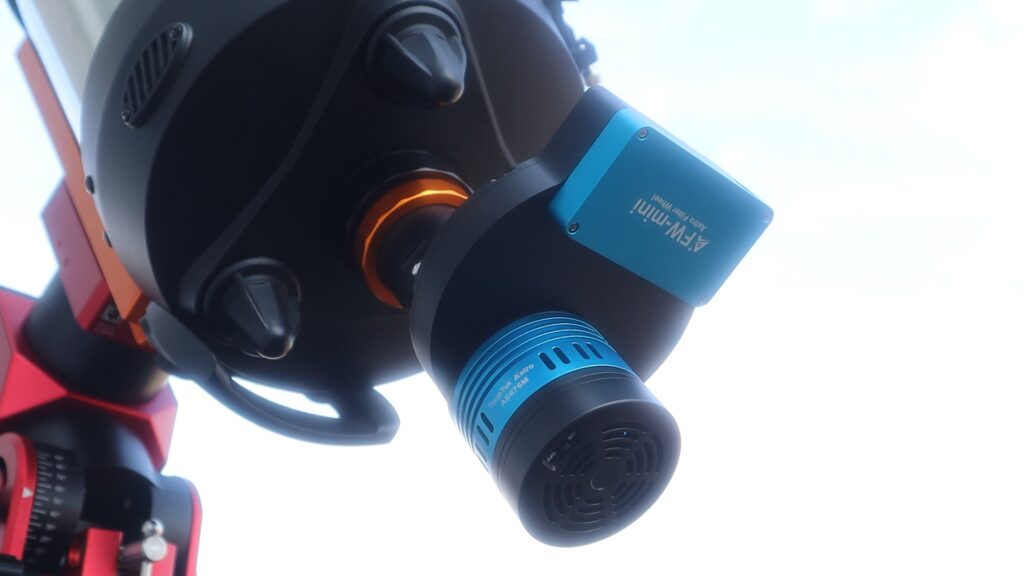
The forecast for the Netherlands was far from ideal. According to meteoblue, the astronomical seeing was hovering well above two arcseconds, meaning the atmosphere was a turbulent, boiling mess that would make fine detail tricky to extract. Still, I was eager to get started. My main rig for the night was the AE676M paired with the ToupTek AFW Mini filter wheel, mounted on my Celestron EdgeHD 8″ telescope on a ZWO AM5 mount.
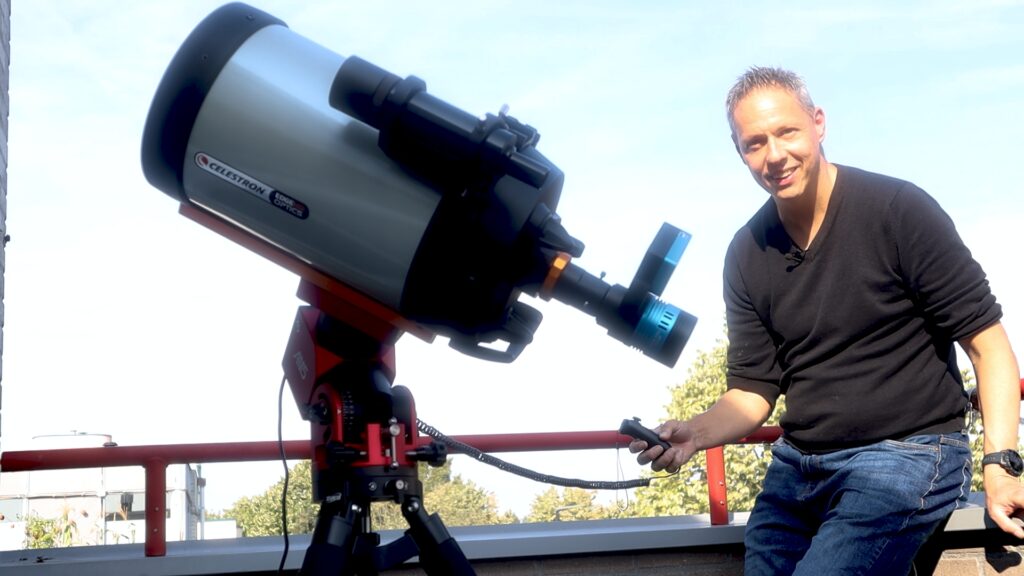
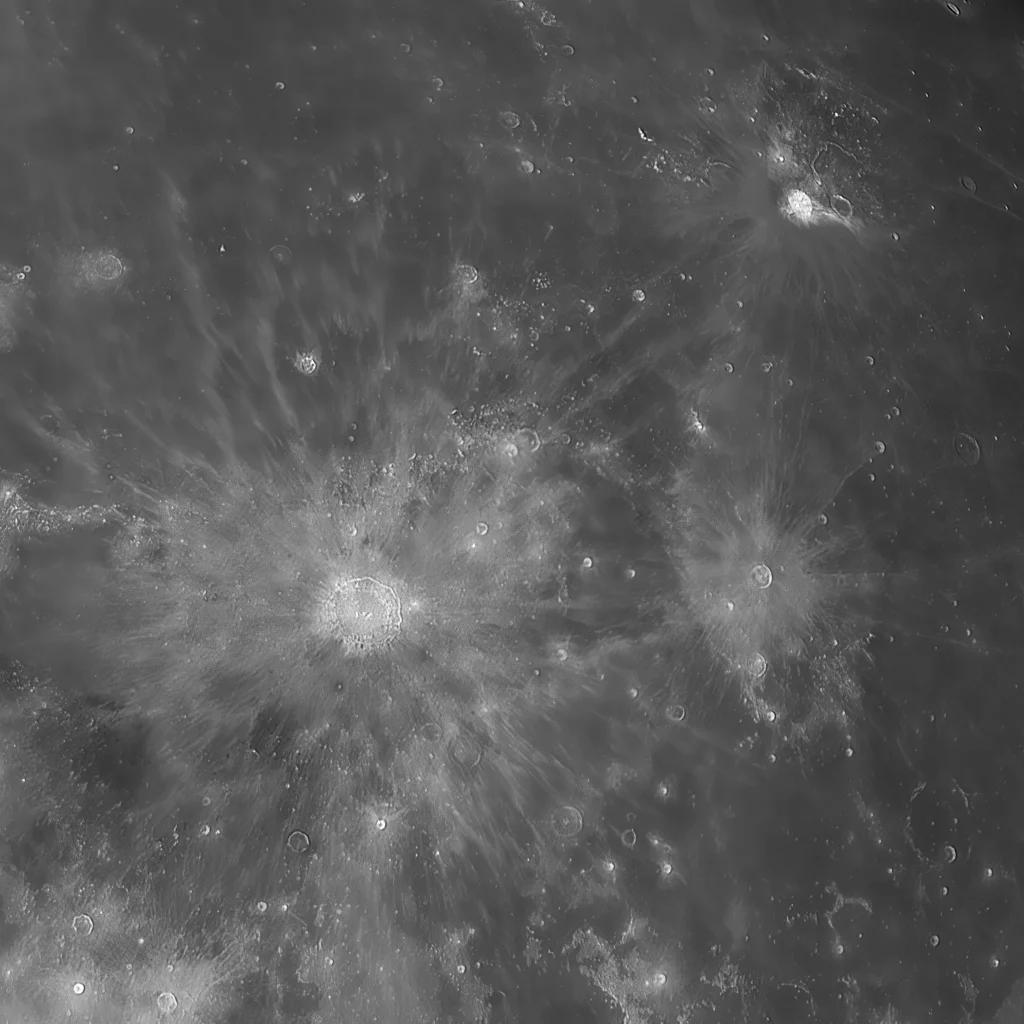
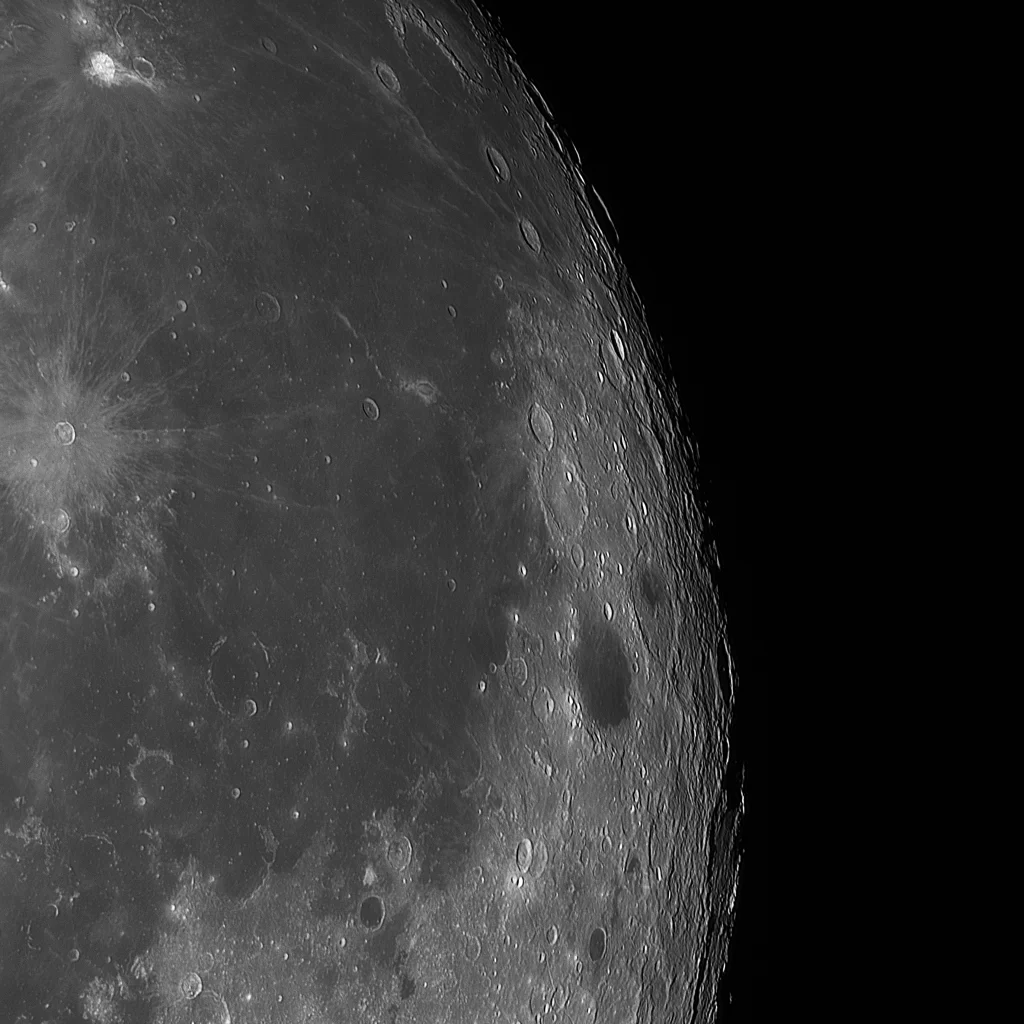
Because framing a target at a 2000mm focal length using a tiny planetary camera sensor is notoriously difficult, I started by running a polar alignment routine through my guide scope. Once the mount was dialed in, I slewed over to the Moon to focus the telescope properly. Before sliding any filters into place, I took a few test shots shooting unfiltered in full-spectrum light. Since a 12.5-megapixel sensor running uncompressed full-resolution frames creates massive SER video files—easily hitting 20 gigabytes for a brief two-minute capture—I opted for SharpCap’s convenient live stacking feature. I stacked roughly 250 frames per live view, and despite the rough seeing, the live results on the lunar surface turned out remarkably crisp.
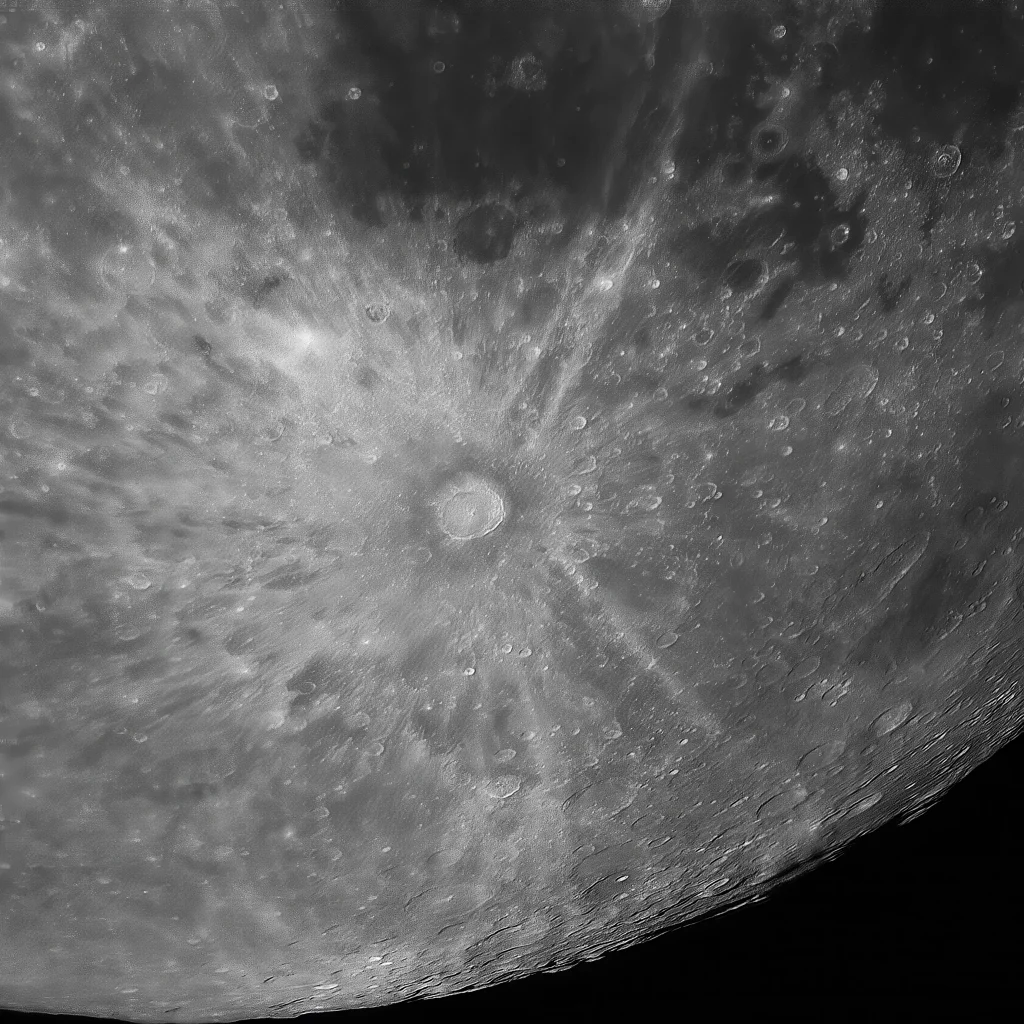
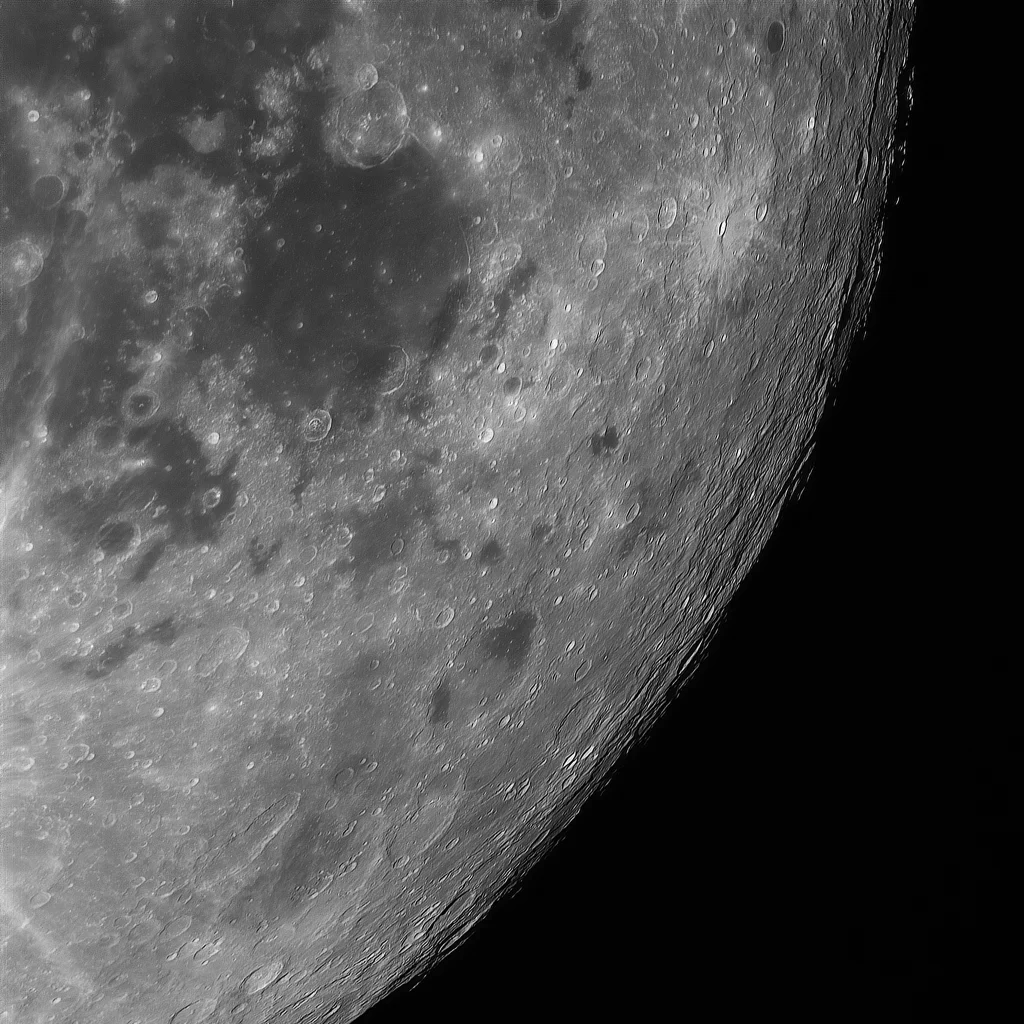
Satisfied with the moon, I slewed over to Saturn. Planetary targets demand speed due to target rotation. With Saturn, keeping captures to 2 minutes per filter keeps the total RGB sequence around 6 minutes. In an ideal setup, you would derotate the separate channels in software like WinJUPOS to eliminate rotational smearing between filters, but with my modest 8-inch aperture at 2000mm focal length, the rotational shift across 6 minutes is subtle enough that I could skip derotation without losing noticeable sharpness. To reveal the relatively dim surface of Saturn, I cranked the camera gain up to around 300 and set my exposure to roughly 25 milliseconds, which locked my capture frame rate right around 40 to 50 frames per second.
Because I wanted to maximize my time on target rather than manually refocusing between every single filter swap, I dialed in focus on the green filter and let the capture run, acquiring five full RGB MONO8 videos. The channel differences were immediately obvious on screen. The red and green channels were noticeably bright and crisp—red in particular yielded high contrast, though the planetary disk bounced around quite a bit from atmospheric heat. The blue channel was much dimmer and noticeably blurrier, which happens because shorter blue wavelengths are scattered far more heavily by atmospheric turbulence and moisture.
The next day, I started processing all the raw video files. Because of the poor seeing conditions, I set AutoStakkert!4 to stack only the best 10% of frames from each video, resulting in stacks of about 500 frames per channel. I then aligned and combined the Red, Green, and Blue channels into a full-color image in Photoshop before applying wavelets in WaveSharp 3 to sharpen the final result. Given the modest 8-inch aperture and the rough atmosphere, the processed images came out surprisingly detailed.
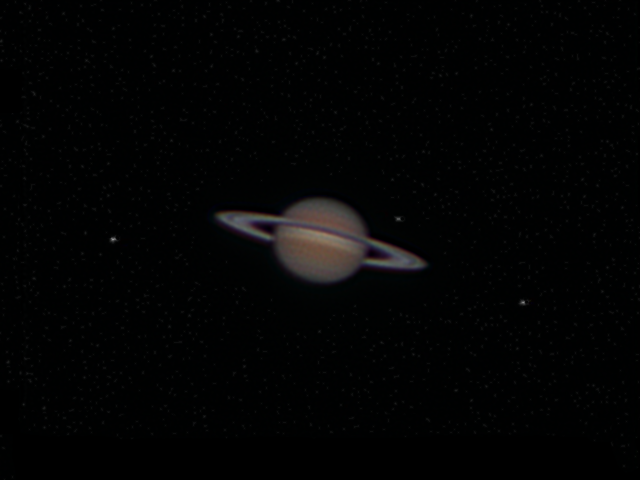
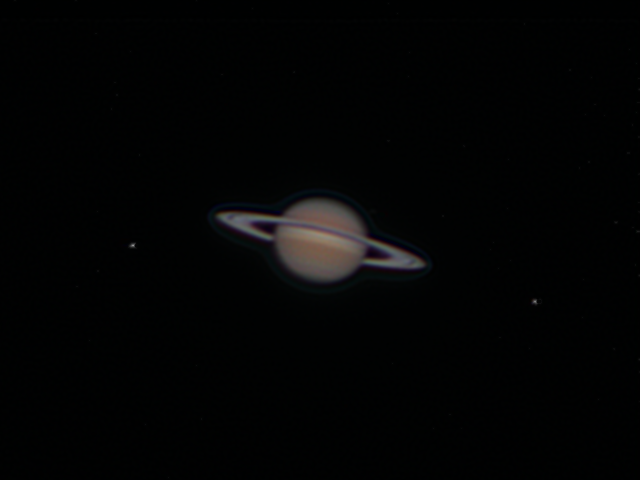
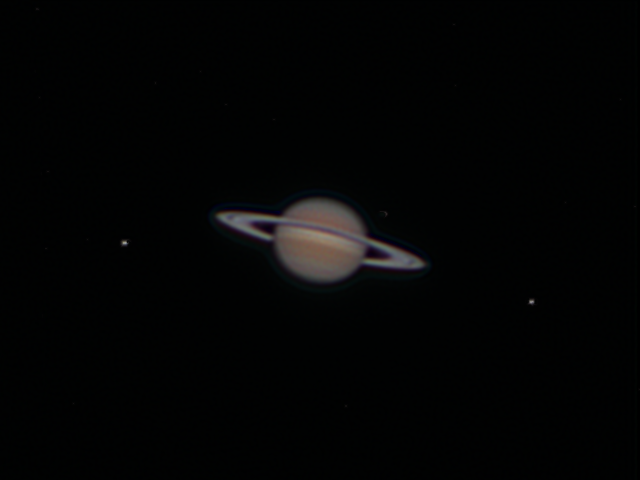
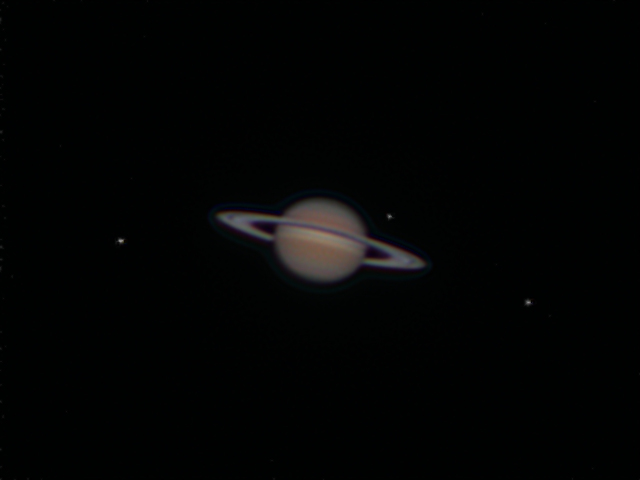
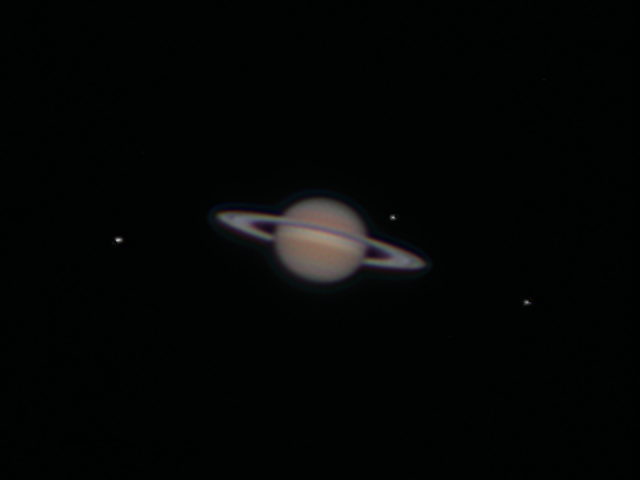
Across the five completed RGB sets, I was even able to reveal three of Saturn’s orbiting moons: Rhea, Dione, and Tethys. Aligning the individual stacked images across the three-hour capture window allowed me to build a short timelapse showing the gentle movement of those moons around the planet, which was easily the highlight of the session.
Ultimately, the ToupTek AE676M proved to be a capable, affordable workhorse. If you are thinking about getting into monochrome planetary imaging without breaking the bank, this camera is a great place to start, especially when paired with ToupTek’s affordable AFW Mini filter wheel and LRGB filters.
Clear skies,
Wido
ToupTek AE676M Camera & AFW Mini Filter Wheel
The core setup used for this first light review, offering 2.0µm pixels, active fan cooling, and monochrome RGB filtering.
View ToupTek AE676M Details →Support the Channel & Learn Planetary Imaging
Get access to deep-dive planetary imaging tutorials for just €2.99 / $2.99 per month.